
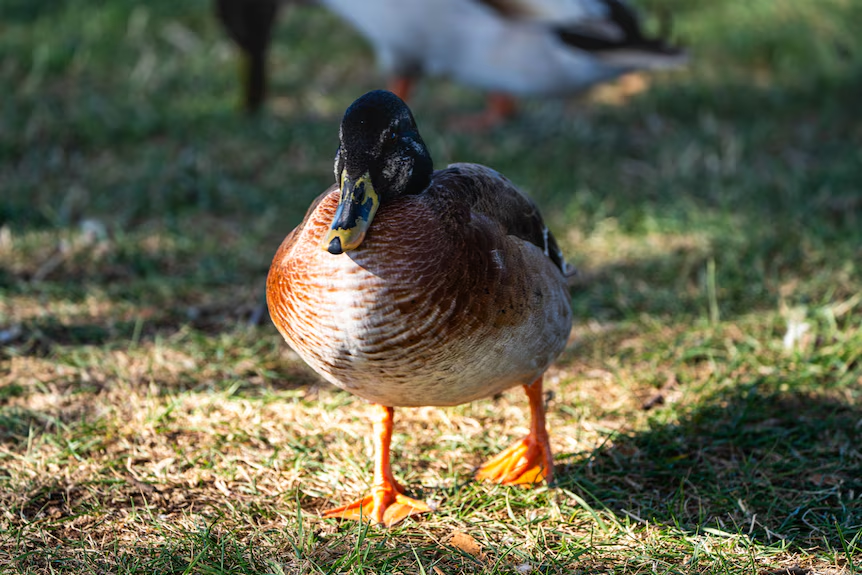
Glenorchy City Council will be removing feral and hybrid ducks from Cairnduff Reserve to help protect native Tasmanian ducks.
Feral ducks, including introduced Mallards and their hybrids, can compete with native ducks for food and nesting areas. They can also breed with native ducks, threatening the survival of native species over time.
The program aims to reduce these impacts and help keep Cairnduff Reserve a healthy habitat for native wildlife. A similar program has previously been carried out at Goulds Lagoon.
Why is this important?
According to the Department of Natural Resources and Environment Tasmania (NRE Tasmania), crossbreeding between introduced Mallards and native ducks is a serious conservation concern, particularly for the Pacific Black Duck. Hybridisation has contributed to the near extinction of duck species in other parts of the world.
Mallards are generally larger and more aggressive than native ducks. When food and water are readily available, their numbers can increase quickly, making it harder for smaller, more timid native ducks to compete.
Over time, this can put pressure on native duck populations and affect the long-term survival of species such as the Pacific Black Duck.
How will the program work?
Feral and hybrid ducks will be trapped and humanely euthanised as part of the program.
The traps are designed to allow Council officers to safely release any native ducks or other animals that are accidentally caught.
Signs will be installed at Cairnduff Reserve before the program begins, and nearby residents are being informed about the work and why it is needed.
Please do not touch or interfere with traps or trapped animals while the program is underway.
Please don’t feed the ducks
Council strongly asks the community not to feed ducks or other wildlife.
Ducks can find their own natural food, which provides the nutrients they need to stay healthy. Feeding them bread and other unsuitable foods can cause nutritional problems, including a condition known as angel wing, which can affect their ability to fly.
Regular feeding can also encourage too many ducks to gather in one place. This can lead to more droppings in waterways, increase the risk of diseases such as botulism, and cause ducks to become aggressive when demanding food from people.
At Cairnduff Reserve, feeding ducks can also make the removal program less effective by providing an alternative food source while trapping is underway.
How you can help protect native ducks
There are simple ways the community can help protect native ducks and their habitat:
- Don’t feed the ducks. Allow them to find their own natural food.
- Watch wildlife without disturbing it. Enjoy observing ducks at the water’s edge and learn to identify different species.
- Keep domestic ducks secure. This helps prevent them from escaping, becoming feral and breeding with native ducks.
Council thanks the community for its understanding and cooperation while this program is carried out to protect native ducks and maintain Cairnduff Reserve as an important habitat for local wildlife.
For more information about native ducks and the risks of hybridisation, visit NRE Tasmania.
By allowing ducks to forage naturally and avoiding feeding wildlife, the community can help support a healthier and more balanced environment for native species.
Council thanks the community for its cooperation and understanding while this program is carried out to protect native wildlife at Cairnduff Reserve.
Unsure what something on this page means? Check out Our Glossary.