
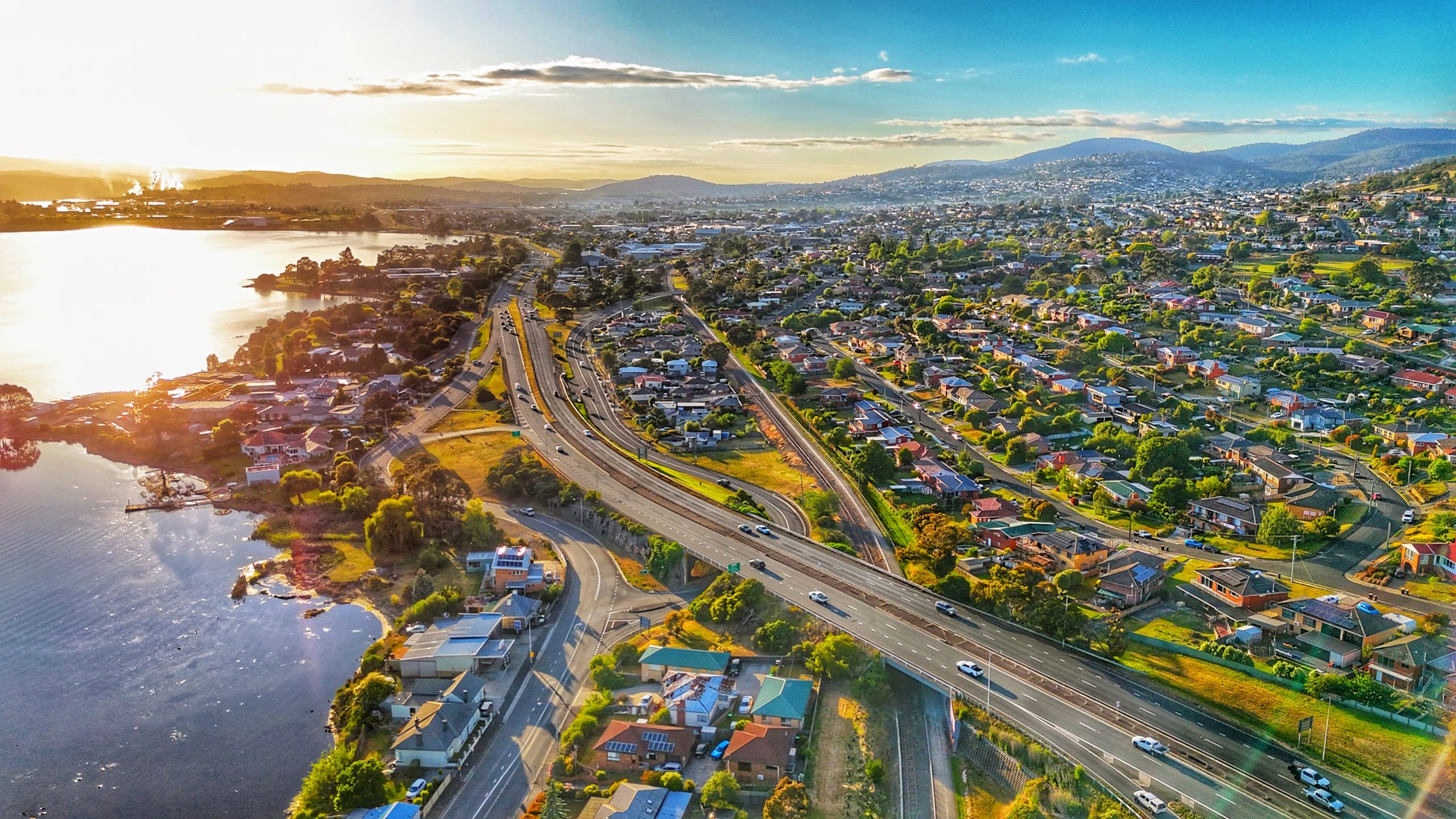
Glenorchy City Council approves a budget each year that funds all Council services, infrastructure and projects.
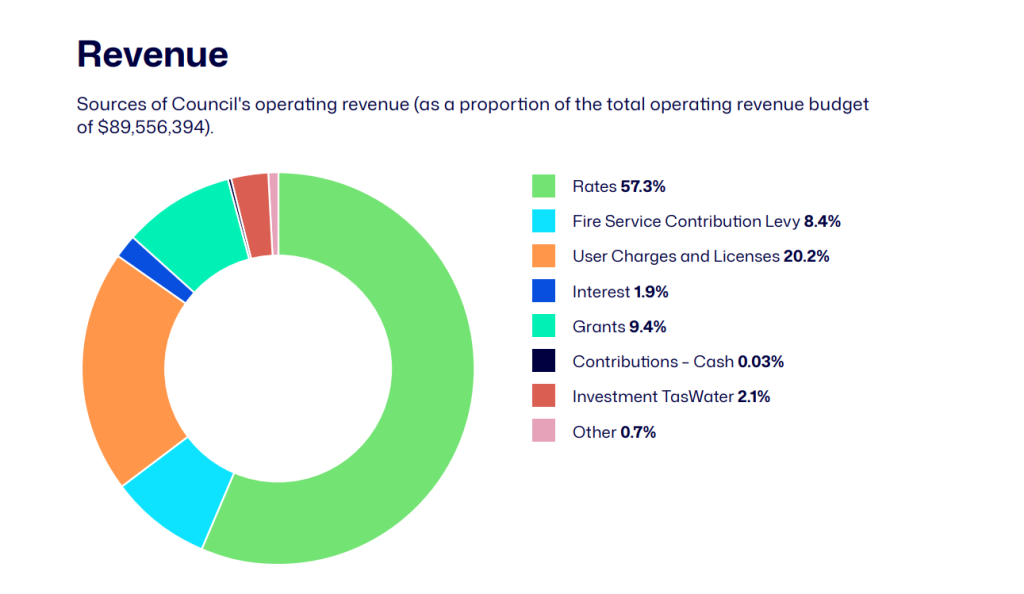
Glenorchy City Council has endorsed its 2026/27 Budget, supporting the delivery of essential services, community programs and infrastructure projects while maintaining a strong focus on long-term financial sustainability.
The balanced operating budget funds a range of services and initiatives across the municipality, including operation of the redeveloped Glenorchy Pool, development of a community youth hub, and projects such as the Humphries Rivulet revitalisation and Glenorchy Jobs Hub.
The budget responds to increasing operating costs and community needs, with additional investment in service delivery, maintenance, infrastructure and employee costs. Council has committed approximately $700,000 to operate the redeveloped Glenorchy Pool and will continue investing in initiatives that support community wellbeing and opportunities for young people.
Key features of the endorsed budget include:
- Operating Revenue of $89.6 million
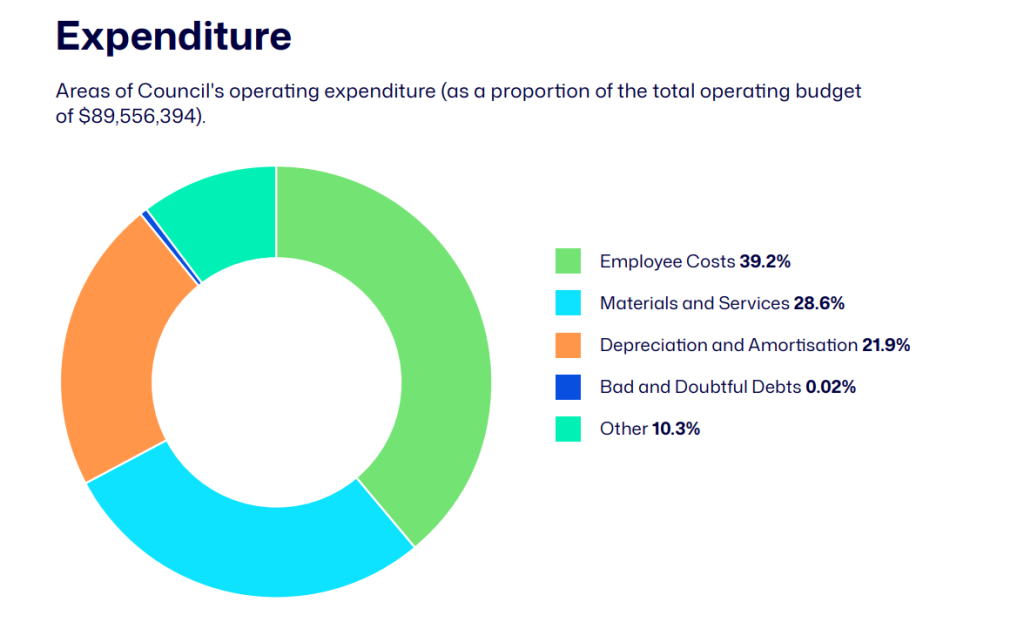
- Operating Expenditure of $89.6 million
- Net Rate Revenue of $51.3 million
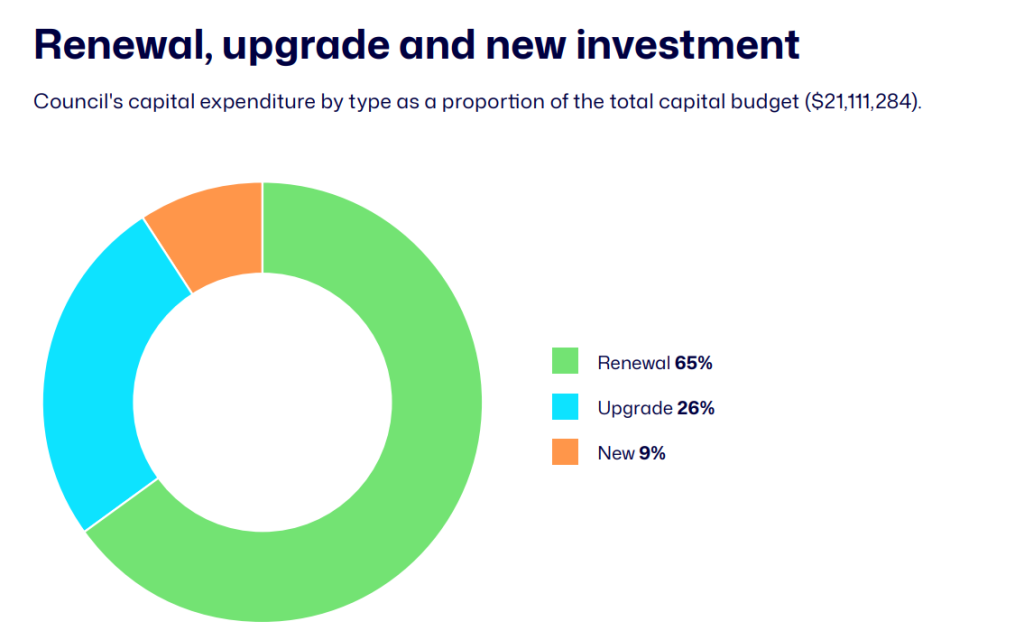
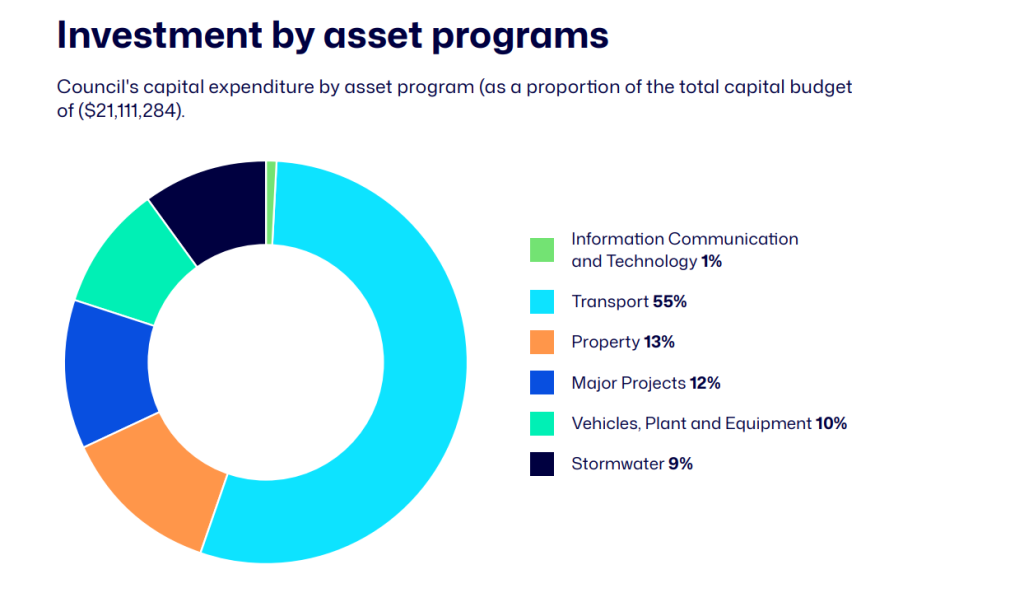
- Capital Works Program of $21.1 million
- No new borrowings
- Cash reserves equivalent to approximately three to six months of operating expenditure
資本的支出
The budget is supported by a $21.1 million Capital Works Program, which will deliver investment in roads, footpaths, stormwater infrastructure, parks, community facilities, fleet, technology and major projects across the city.
The endorsed 2026/27 Budget balances affordability for ratepayers with the need to maintain services, renew ageing assets and invest in projects that support Glenorchy’s continued growth and prosperity.
Glenorchy City Council has endorsed a $21.1 million Capital Works Program for 2026/27, delivering investment in the renewal, upgrade and acquisition of community infrastructure and assets across the municipality.
The program is made up of six key areas:
- Transport – $11.5 million
- Stormwater – $1.9 million
- Property and Environment – $2.8 million
- Major Projects – $2.5 million
- Fleet and Plant – $2.2 million
- Information and Communications Technology (ICT) – $0.2 million
A significant focus of the program is maintaining and renewing Council’s existing assets, with $13.7 million allocated to asset renewal and $7.4 million invested in new and upgraded infrastructure.
Renewal projects include road resurfacing, footpath replacement, playground upgrades and stormwater improvements to ensure Council assets remain safe, functional and fit for purpose.
Key projects planned for 2026/27 include road and footpath upgrades, flood mitigation works, park and recreational facility improvements, the Tolosa Park Destination Playspace, the International Food Garden, and ongoing investment in Council’s fleet, technology and operational equipment.
The program reflects Council’s commitment to balancing the renewal of existing infrastructure with investment in new facilities and services that support community needs, while maintaining long-term financial sustainability.
Overall, the Capital Works Program will continue to improve community infrastructure, support service delivery and help create a safe, connected and vibrant Glenorchy for residents and visitors.
The average rate increase across residential and non-residential rate payers is 5.40%.
How the budget is set
Council’s annual budget is prepared by Council staff and presented to elected members for consideration and adoption each June. The community is invited to provide feedback on budget priorities before the budget is finalised.
The budget includes:
- Operating expenditure — the cost of delivering day-to-day services such as waste collection, road maintenance and community programs
- Capital expenditure — investment in infrastructure including roads, parks, buildings and community facilities
- Revenue — income from rates, fees and charges, grants and other sources
How we pay for services
Council’s main sources of income include:
- Rates paid by property owners
- Fees and charges for services
- Government grants
- Other revenue sources
Community input
We encourage the community to provide feedback on budget priorities as part of the annual budget process. Information about public consultation opportunities is advertised each year before the budget is adopted.
Current budget
You can read the current budget here, before it is officially adopted on 1 July 2026.
Budget FAQ
Why does Council have a budget?
The 2026/27 budget aims to keep Council financially stable while funding essential community services. It aligns with the 2023–2032 Strategic Plan and continues efforts to reduce deficits, moving toward surplus. This year’s budget is balanced at break-even; no operational surplus or deficit is planned.
What are the highlights of this year’s budget?
This year’s budget supports key community priorities like the Glenorchy Pool, Youth Hub, clean city iniatives, community safety, cleanliness, and investment into maintaining council assets.
Highlights include:
- $0.7M for the Glenorchy Memorial Pool operating and depreciation expenses
- $1.4M for the Humphries Rivulet
- $21.1M for new and improved Council infrastructure and assets
- $0.4M to operate the new Youth Hub
Funding also covers additional maintenance costs for Tolosa Park
When will the final budget be adopted?
Glenorchy City Council voted on the budget on 15 June 2027, and it was adopted on 1 July 2027
What are Tasmanian state levies and who pays them?
These State Government charges help fund essential services like fire protection, waste management, and land management.
Examples include:
- Fire Service Levy: Funds the fire service and is included in your Council rates. Levy is set by the State Government, and the costs have increased by 5.43% for 2026/27.
- Landfill Levy: Funds initiatives to reduce waste going to landfill and is included in your Council rates and each time you visit the landfill. The levy is set by the Department of Natural Resources and has increased by more than 50% for 2026/27.
- Land Tax: Paid yearly by landowners (not including your main home). This is set by the Tasmanian State Revenue Office.
Stamp Duty: Paid when you buy a property.
Do state levies affect council budgets?
State levies like land tax and stamp duty go to the Tasmanian Government—not local councils. The Fire Service Levy is different:
- It appears on your rates notice, but is set by the State Government
- Councils collect it but pass it on to the State Government
- Councils do not keep the money, but it adds extra administrative work
The waste services levy is set by the Department of Natural Resources and is collected by Council then passed on to the Department.
What are council rates, and why do we pay them?
Council rates are a type of property tax that property owners pay. This money helps pay for local services like roads, parks, waste collection, and community programs. Councils set rates based on what services people need and what ratepayers can afford.
What are my rates spent on?
Your rates pay for a wide range of services, such as:
- Building and maintaining roads and footpaths
- Waste collection and recycling
- Childcare and community services
- Parks and environmental work
- Public safety, local events, and urban upkeep
- Paying State Government charges like fire and waste levies
What is the 2026/27 rate increase?
The average rate increase across residential and non-residential rate payers is 5.40%.
How are my rates calculated?
Each property is given a value by the Valuer-General. One of these is the Assessed Annual Value (AAV), which is an estimate of how much rent your property could earn each year. Your rates are calculated by multiplying the AAV by a set rate in the dollar.
When are the rates due?
Rates are usually due either all at once or in instalments. You will get your rates notice with a due date.
Glenorchy City Council’s due dates are:
- the first instalment on the date specified in the rate notice being on or before the 31st day after the issue of the rates notice
- 1 November 2026
- 1 February 2027
- 1 May 2027
Can I pay in instalments?
Yes. You can pay quarterly, monthly, fortnightly, or weekly. Head to our website or call 03 6216 6800 for more information.
What if I am having trouble paying my rates?
Glenorchy City Council offers support, including:
- Discounts for pensioners (up to 30%)
- Rate exemptions for charities
- A Financial Hardship Policy for people struggling to pay
You can find more information and apply for support through our website.
What happens if I do not pay my rates?
If rates are not paid for more than 3 years, the Council can sell your property to recover the money owed. If the owner cannot be found, Council may take ownership of the property.
How can I have a say in how rates are spent?
You can share your views during the budget planning process by:
- Completing the Annual Future Directions survey
- Attending Council Yarns and information sessions
- Joining our online community at Let’s Talk, Glenorchy
このページで何かわからないことがありますか?以下をご覧ください 用語集.