
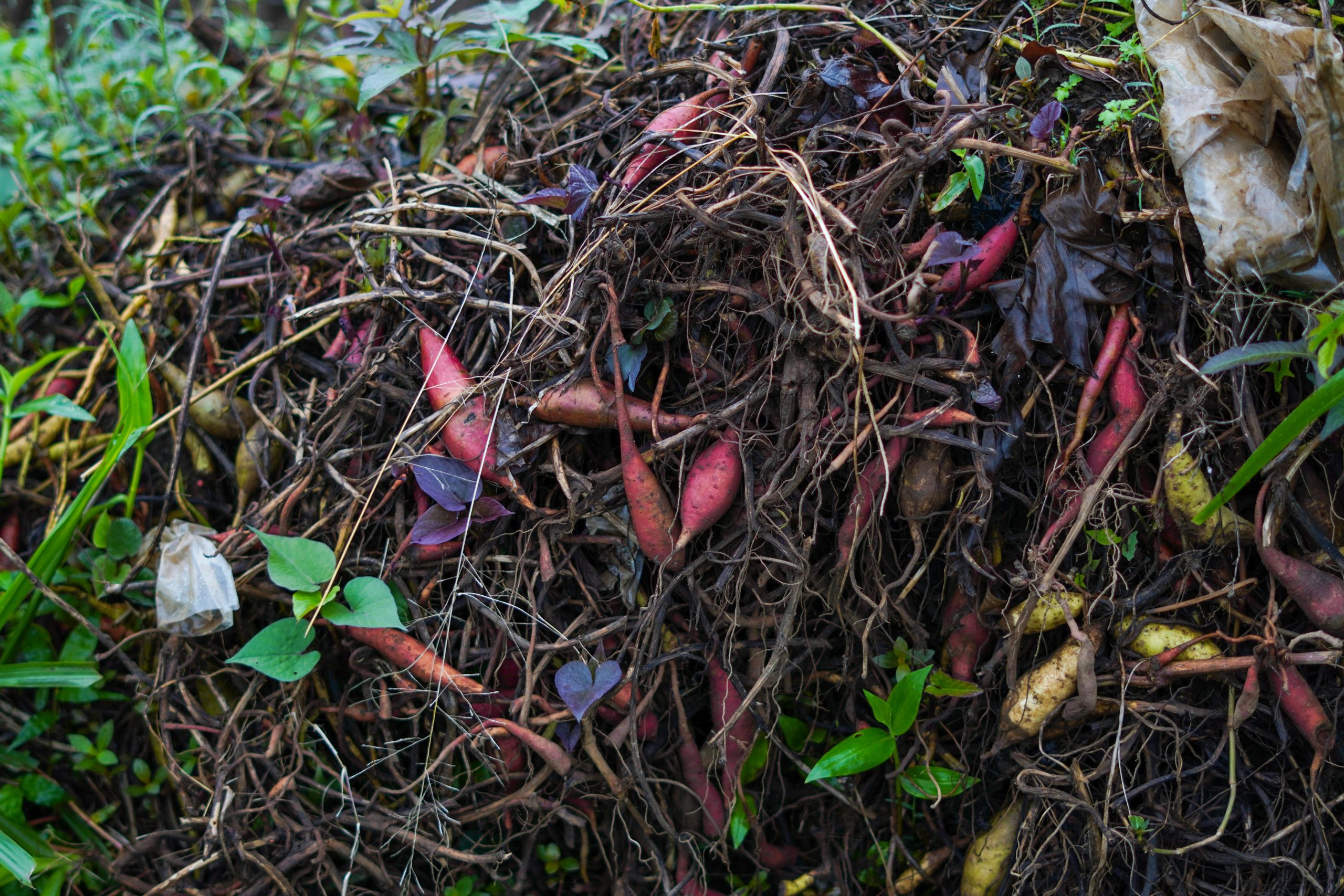
FOGO stands for Food Organics and Garden Organics.
Glenorchy City Council provides a fortnightly FOGO kerbside collection service.
If you live in a Unit Development with Shared FOGO bins (lime green lid) your bins will be collected every Tuesday.
Glenorchy City Council provides a kerbside FOGO collection service to help residents reduce household waste and divert organic material from landfill.
Find your collection day using tool below by typing your unit and/or street number in first followed by your street name.
FOGO stands for Food Organics and Garden Organics. The service allows households to place food scraps and small garden waste into a dedicated organics bin, where the material is collected and processed into compost.
By using the FOGO service correctly, residents can significantly reduce the amount of waste sent to landfill and help support more sustainable waste management practices.
FOGO bins are collected fortnightly as part of Council’s kerbside waste collection program.
Organic waste collected through the service is transported to a commercial composting facility, where it is processed into compost and soil products used in agriculture, landscaping and land rehabilitation.
The FOGO program helps:
- Reduce landfill waste
- Lower greenhouse gas emissions from decomposing food waste
- Recover valuable organic material for reuse
- Improve recycling and resource recovery outcomes
- Support environmentally sustainable waste management practices
Your bin
FOGO bins have a lime green lid. The standard size is 240 litres.
To keep your FOGO bin clean and reduce odours:
- Layer grass clippings with dry material such as paper or leaves
- Wrap food scraps in paper or compostable liners
- Keep the bin lid closed
- Store the bin in a shaded area where possible
- Freeze smelly food scraps until collection day if needed
- Put your bin out for collection regularly, even if not full
- Wash your bin occasionally
A Kitchen caddy is also provided to all NEW Dwellings to collect food scraps inside your home. Line the caddy with a compostable liner, newspaper or paper towel and empty it into the larger FOGO bin when full. Please wash and wipe out your kitchen caddy regularly to prevent odours.
FOGO Exemption
Can I opt out of FOGO ?
If you are a home composter or are experiencing financial hardship please fill in this form.
All of Council’s forms are available in the Documents and Publications Library.
What goes in the FOGO bin
You can put in the FOGO bin:
- Food scraps – vegetables, seafood (including all seafood shells e.g oyster, crayfish), dairy, meat and bones (cooked or raw), teabags (but not the pyramid-type teabags), coffee grounds and egg shells
- Garden waste – grass clippings, leaves, bark, twigs, plants and weeds (including diseased and noxious weeds as FOGO is processed at high temperatures)
- Shredded paper – paper towels, paper napkins, tissues, cotton wool balls (if 100% cotton) and cotton buds with wooden sticks
- Food -contaminated or food soiled cardboard (e.g. pizza boxes with food on them)
- Personal cuttings – hair from hairbrushes or haircuts, and nail clippings
- Animal waste – such as pet hair, poo, organic / natural kitty litter and soiled paper from bird cages
What does NOT go in the FOGO bin
Some materials cannot be processed through the composting system and must not be placed in the FOGO bin.
Do not place the following items in your FOGO bin:
- Plastic bags or soft plastics
- “Biodegradable” bags that are not certified compostable
- Non-natural kitty litter
- Large branches, logs or timber
- Treated or painted wood
- Nappies and hygiene products
- General household rubbish
- Glass, metal or hard plastics
- Building materials or soil
Bins that are contaminated, inaccessible , excessively heavy or overfilled may not be collected and can increase processing costs.
What happens to FOGO?
Food and organic waste makes up a large portion of household rubbish sent to landfill.
When organic waste breaks down in landfill, it produces methane, a greenhouse gas that contributes to climate change.
Using the FOGO service helps:
- Reduce greenhouse gas emissions
- Extend the life of landfill facilities
- Recover valuable organic resources
- Support local compost production
- Reduce the environmental impact of household waste
Contact
For information about the FOGO service, acceptable materials or replacement bins, contact Council’s Customer Service Team.
Phone: (03) 6216 6800
Email: gccmail@gcc.tas.gov.au
このページで何かわからないことがありますか?以下をご覧ください 用語集.