
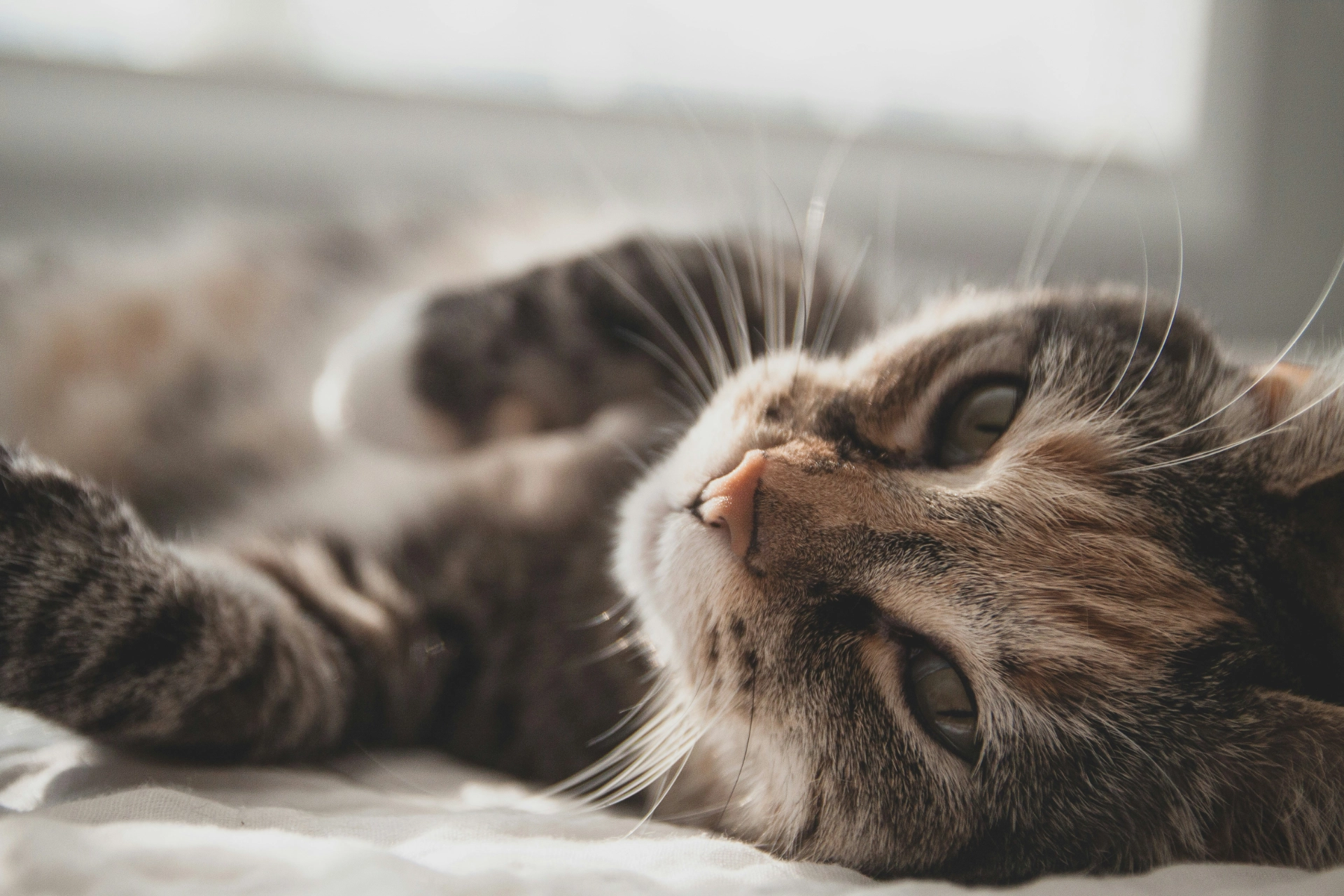
Information about responsible pet ownership in Glenorchy, including cats and other animals.
Glenorchy City Council supports responsible pet and animal ownership to help protect public health, neighbourhood amenity, animal welfare and the natural environment.
This page provides information about caring for cats and keeping other animals within the Glenorchy municipality.
Cats
Cats are popular companion animals and play an important role in many households across Glenorchy.
While cats are not currently required to be registered with Council, owners still have important responsibilities under Tasmanian legislation and local requirements.
Responsible cat ownership helps protect:
- Native wildlife and birdlife
- Neighbourhood amenity
- The health and wellbeing of cats
- Community safety and hygiene
Council encourages cat owners to take practical steps to ensure cats are cared for responsibly and do not negatively impact neighbours or the environment.
Desex your cat
Desexing helps:
- Reduce roaming behaviour
- Prevent unwanted litters
- Reduce the number of stray and abandoned cats
- Improve long-term health outcomes for cats
Desexing is strongly encouraged for all domestic cats unless advised otherwise by a veterinarian.
Microchip your cat
Under the Cat Management Act 2009, cats born after June 2022 must be microchipped.
Microchipping helps identify lost cats and increases the likelihood of pets being returned to their owners.
Owners should ensure contact details linked to microchips remain current.
Keep cats indoors at night
Keeping cats indoors or safely contained, particularly overnight, helps reduce:
- Hunting of native wildlife
- Roaming and nuisance behaviour
- Injury from vehicles or fights with other animals
- Risks to the health and safety of cats
Night-time containment is one of the most effective ways to protect local wildlife and keep cats safe.
Provide appropriate care
Cat owners should ensure pets receive:
- Adequate food and clean water
- Shelter and veterinary care
- Safe and secure living conditions
- Opportunities for exercise and enrichment
Protecting wildlife and the environment
Glenorchy’s bushland reserves, waterways and foreshore areas support a range of native birds and wildlife species.
Uncontrolled roaming cats can have significant impacts on wildlife populations.
Council encourages residents to help protect local biodiversity through responsible pet management and wildlife-friendly practices.
Stray or feral cats
Stray and feral cats can create issues for wildlife, public health and neighbourhood amenity.
If you have concerns about stray or feral cats in your area, contact Council for advice and assistance.
Council may assist with information about:
- Reporting stray cats
- Animal welfare concerns
- Cat management responsibilities
- Referral to appropriate services or organisations
Other animals
Residents may keep a range of other domestic or hobby animals within the municipality, depending on the property type, location and applicable regulations.
This may include:
- Chickens and poultry
- Rabbits and guinea pigs
- Birds and aviary animals
- Goats or livestock in suitable areas
- Bees and beekeeping activities
Some animals or activities may require approval under Council by-laws, planning regulations or environmental health requirements.
The rules address things such as:
- keeping horses or stock in stables (including getting a stable permit – PDF). Click here to see the latest stable permit application form – PDF
- keeping farm animals (including getting a farm animal permit – PDF). Click here to see the latest farm animal permit application form – PDF
- Keeping a kennel on your property (including getting a kennel license – PDF). Click here to see the latest kennel license application form – PDF
- how we deal with nuisance caused by animals
- restrictions on keeping certain types animals (including roosters)
- your obligations to deal with pest animals.
For more detail, read the Glenorchy City Council Animal Management By-Law (PDF).
Contact us
For information about cats, animal management or keeping other animals in Glenorchy, please contact us.
Phone: 03 6216 6800
Email: gccmail@gcc.tas.gov.au
このページで何かわからないことがありますか?以下をご覧ください 用語集.