
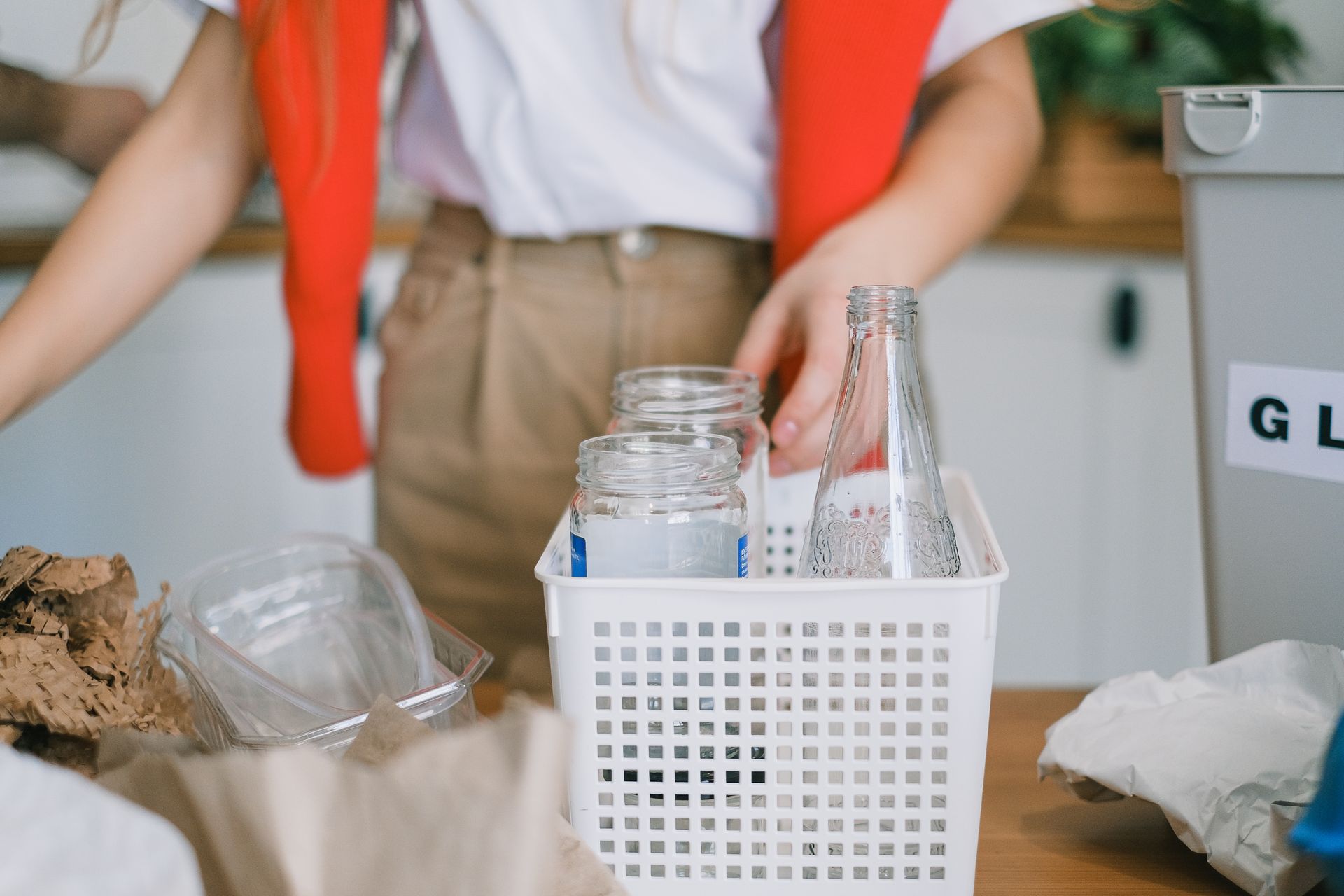
Your recycling bin is collected fortnightly on the same day as your general waste bin.
If you live in a Unit Development with SHARED BINS your recycling bin (yellow lid) will be collected Weekly.
Your bin
The standard recycling bin has a yellow lid and holds 240 litres.
Find your collection day using tool below by typing your unit and/or street number in first followed by your street name.
Glenorchy City Council provides a fortnightly kerbside recycling collection service to help residents recycle household materials and reduce the amount of waste sent to landfill.
Recycling helps recover valuable resources that can be processed into new products, reducing the need for raw materials and supporting more sustainable waste management practices.
Collection Day
Recycling bins are collected fortnightly as part of Council’s kerbside waste collection service.
If you live in a unit development with shared bins, your Recycling Bins are collected weekly, every Friday.
Residents can find their scheduled collection day using the Waste Collection Search tool available above.
To ensure your bin is collected:
- Put your bin out the night before or before 6:00 am on collection day
- Place the bin at the kerb or designated collection point
- Leave at least 1 metre clearance from other bins, vehicles and obstacles
- Position the wheels facing away from the road where possible
- Ensure the lid is fully closed
- Do not overfill or overload the bin – the maximum weight is 70 kg.
- Remove bins from the kerb after collection within 48 hours
- Bins that are contaminated, inaccessible , excessively heavy or overfilled may not be collected.
Collection schedules may vary on public holidays or during severe weather events.
Recycling helps:
- Reduce waste sent to landfill
- Recover valuable materials for reuse
- Save energy and natural resources
- Reduce greenhouse gas emissions
- Support a circular economy
- Lower environmental impacts from waste disposal
Correct recycling also helps reduce contamination and improves the efficiency of recycling facilities.
What goes in the recycling bin
You can recycle:
- Paper and cardboard — junk mail, newspapers, magazines, cardboard boxes (flatten boxes), office paper (not shredded)
- Plastic — bottles and containers (types 1, 2, 3, 4, 5 and 6),
- Glass — bottles and jars (any colour)
- Metal — cans, tins, aluminium foil (scrunched into a ball), aerosol cans (empty), aluminium cans
Rinse containers before recycling them.
What does NOT go in the recycling bin
What does NOT go in the recycling bin
Some materials cannot be processed through kerbside recycling and should not be placed in the yellow-lid bin.
Do not place the following items in your recycling bin:
- Soft plastics and plastic bags
- Food scraps or organic waste
- Nappies and hygiene products
- Polystyrene foam
- Batteries or electronics
- Paint, chemicals or hazardous waste
- Garden waste
- Clothing or textiles
- Drinking glasses, ceramics or crockery
- Window glass or mirrors
- Building Materials
- Oil
- Rubber
These items can contaminate recyclable materials, damage equipment or create safety hazards at recycling facilities.
Soft plastics
Soft plastics such as:
- Shopping bags
- Bread bags
- Food wrappers
- Cling wrap
should not be placed in the yellow-lid recycling bin. Soft plastics can become tangled in recycling machinery and disrupt processing systems.
Where available, soft plastics should be taken to approved collection points at participating supermarkets or recycling locations.
Contamination
Contamination occurs when incorrect items are placed in recycling bins.
Contaminated recycling loads may:
- Be rejected by Councils collection contractor and bins stickered
- Require disposal to landfill
- Increase processing costs
- Reduce the quality of recyclable materials
- Create safety risks for workers and machinery
Common causes of contamination include:
- Plastic bags
- Food waste
- Hazardous materials
- Liquids left in containers
- General rubbish
Recycling correctly helps ensure materials can be successfully recovered and reused.
Tips for better recycling
To recycle more effectively:
- Recycle items loose, not inside bags
- Empty and rinse containers
- Flatten cardboard boxes
- Keep food and liquids out of recycling bins
- Only recycle accepted items
- Use the FOGO bin for food and garden waste
- Dispose of hazardous waste separately
Small improvements in household recycling habits can make a significant difference to overall recycling outcomes.
연락
For more information about recycling collection services, acceptable materials or replacement bins, contact Council’s Customer Service Team
전화 (03) 6216 6800
이메일 gccmail@gcc.tas.gov.au
이 페이지의 내용을 잘 모르시겠어요? 다음을 확인해보세요 우리의 용어집.