Glenorchy has a rich and fascinating history, shaped by the people, places and events that have helped make the city what it is today.

Explore our History of Glenorchy timeline and journey through the past, from the deep history and continuing connection of the Muwinina people to Country, through to European settlement and the growth and development of Glenorchy as a municipality and community.

The timeline brings together key dates, significant events, historic places, people and stories, providing an insight into how Glenorchy has changed and grown over time.

Thank you!

This history has been informed by the work of Collin Dennison and the Glenorchy Municipality History Group, whose research and dedication have helped preserve and share the stories of Glenorchy and its communities.

Explore the timeline and discover the people, places and stories behind Glenorchy’s past.


First Peoples of Glenorchy

The City of Glenorchy is a unique and special place. Our people are the social, cultural and creative heart of our City.

Located on the western shore of the timtimili minanya/River Derwent in the foothills of kunanyi/Mount Wellington, the City of Glenorchy is Tasmania’s fourth largest local government area with a population of just over 51,000 people distributed over an area of 121 square kilometres.

The Muwinina Aboriginal people inhabited the area for some tens of thousands of years prior to the arrival of Europeans.

Aboriginal and/or Torres Strait Islander people now make up 5.4% of the population.

Glenorchy is a diverse City, our residents come from 72 different countries and nearly 1 in 5 speak a language other than English at home.

The City has experienced increased population growth over the last 5 years, particularly in new residents who were born overseas and young adults.

This text references Glenorchy City Council’s Reflect Reconciliation Action Plan.

1870

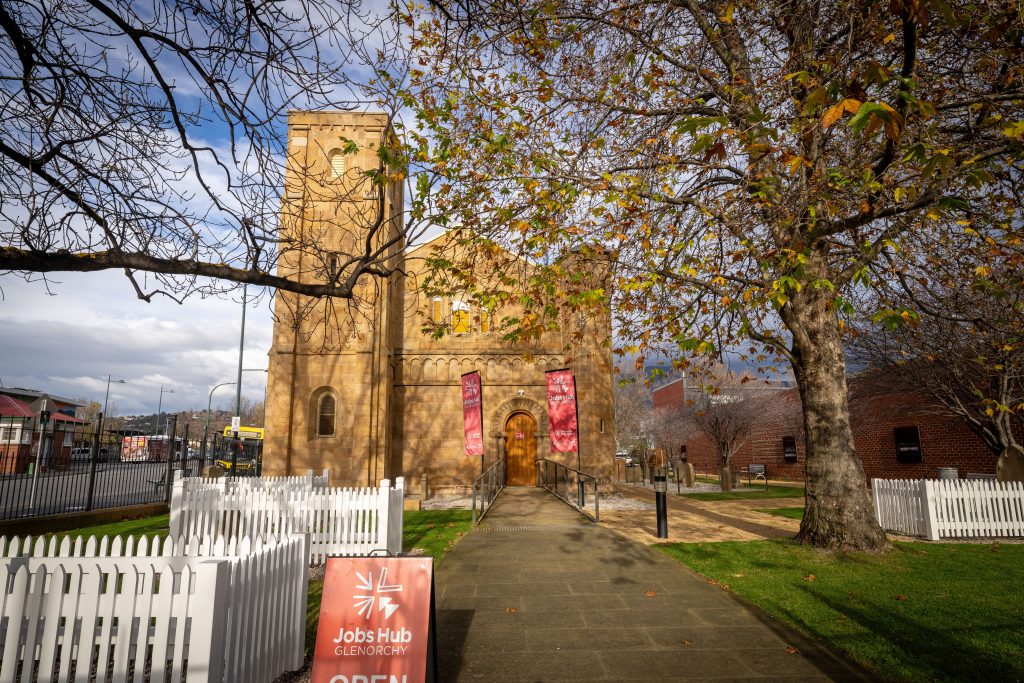
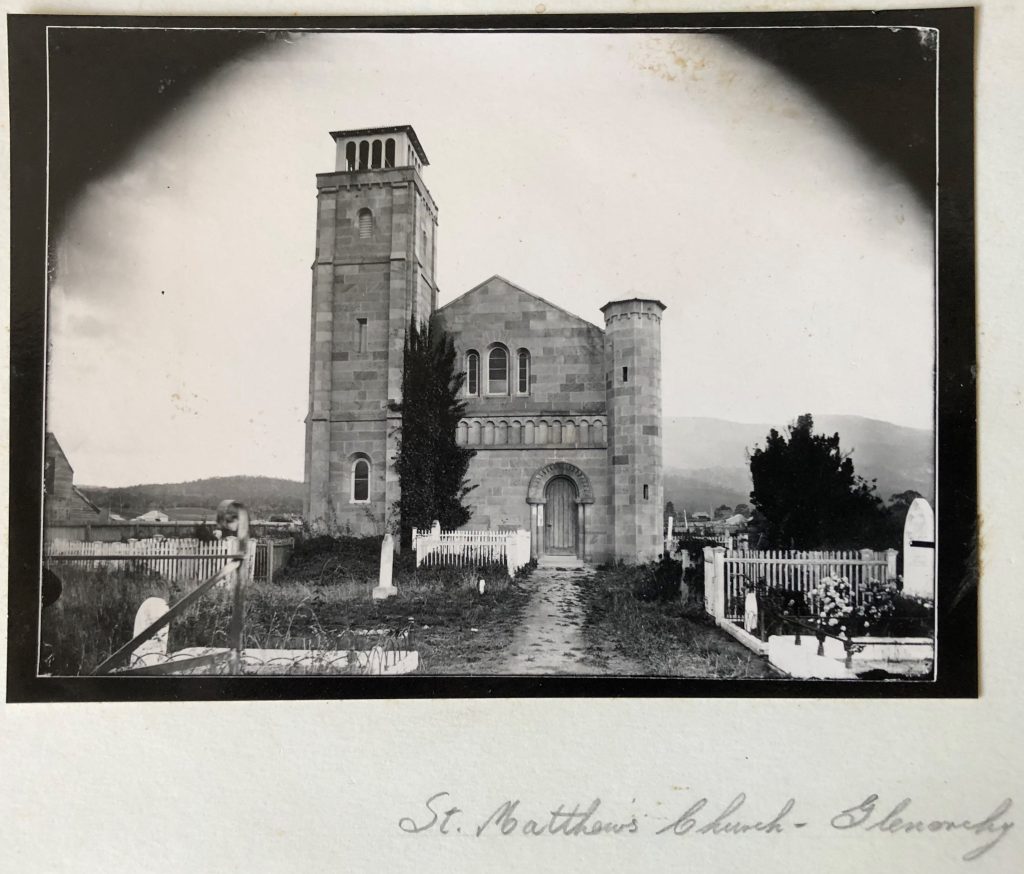
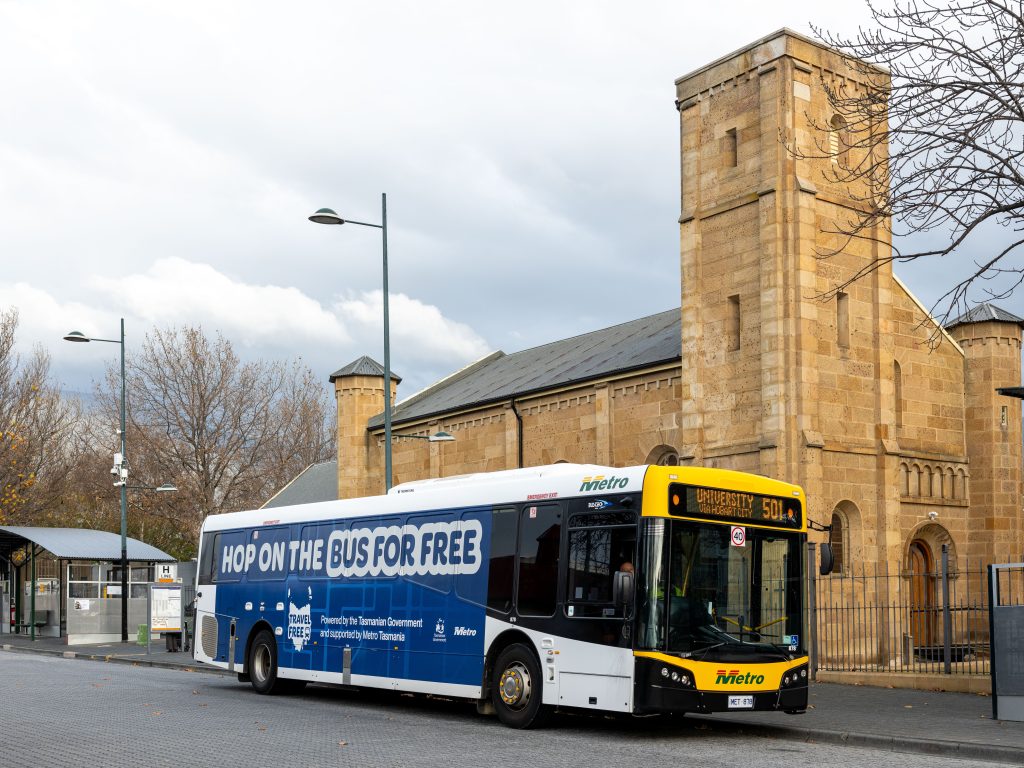
St Matthews Church

This view shows the bellcote thought to have been added in the 1850s.
Over the years the bellcote structure deteriorated in the weather, requiring constant and costly maintenance.
In 1961 it was reduced in height in an effort to keep the weather out and then completely dismantled in 1989, the bell reverting to its original position within the tower
. The pictured grave sites represent a small proportion of the [approx.] 150 people buried in the churchyard up until 1904 when the graveyard was closed.
In 1959 the graveyard was cleared and 17 remaining headstones were cemented to the wall of the Church.
These were liberated and conserved in a restoration program carried out between 2006 and 2008 with 7 headstones reinstated in their correct positions using a combination of historical research and archaeological survey.

After
Before

1903

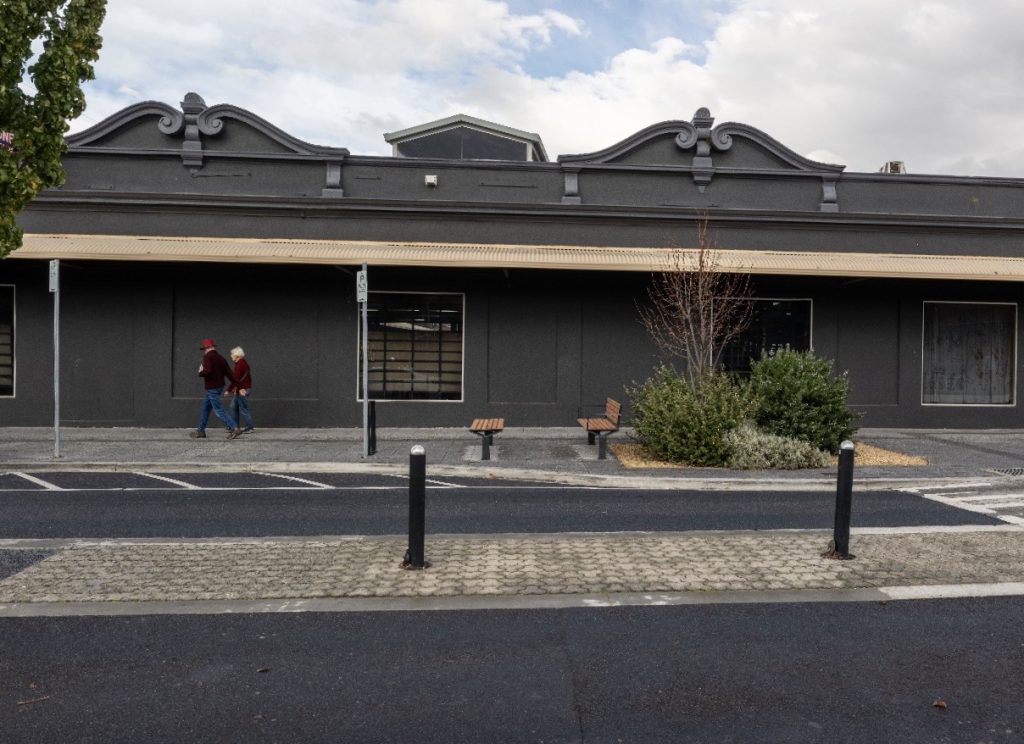
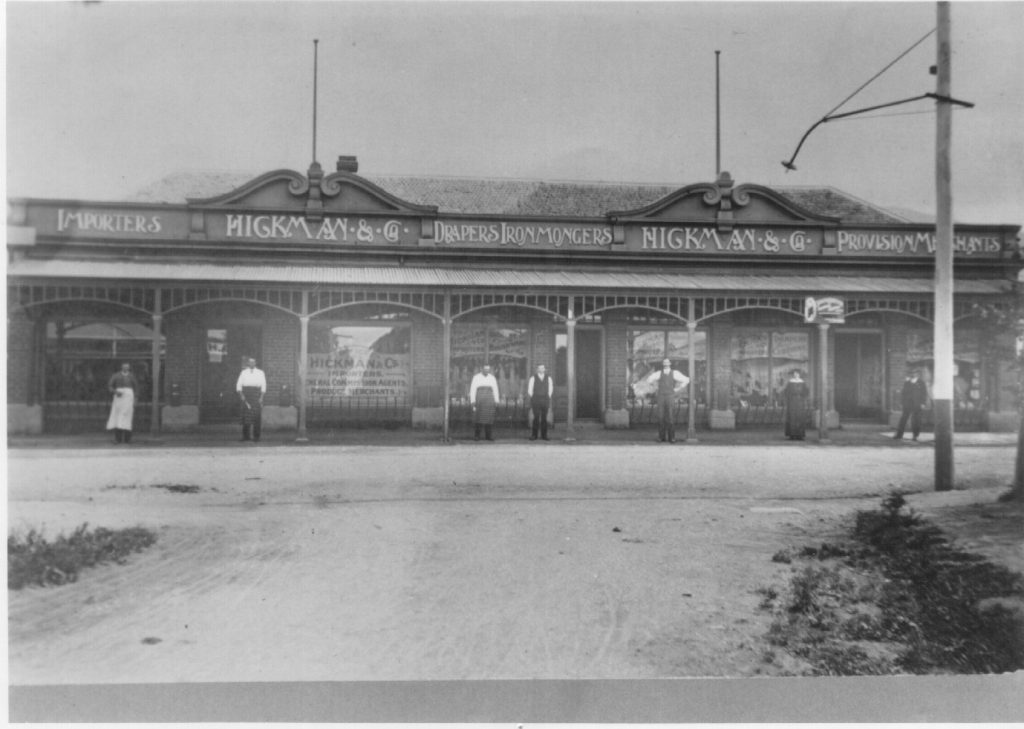
Hickman's Store

Hickman’s store (1903) was a typical turn-of-the-20th-century general store that stocked a wide range of goods from hardware to groceries.
In 1935, it was turned into two shops; a butchery at No. 384 Main Road and TS Hickman’s grocery and general store at No. 386.
The butchery remained into the 1990s, but No. 386 became Glenorchy Hardware (Bazaar).
Despite a near catastrophic structure fire in 2000 that prompted redevelopment of the site, some distinctive façade elements and window openings from the Hickman era remain discernible in the Glenorchy streetscape.
The street pictured in the foreground – opposite - was known as Stephen and, later, Riddoch Street.

After
Before

1912

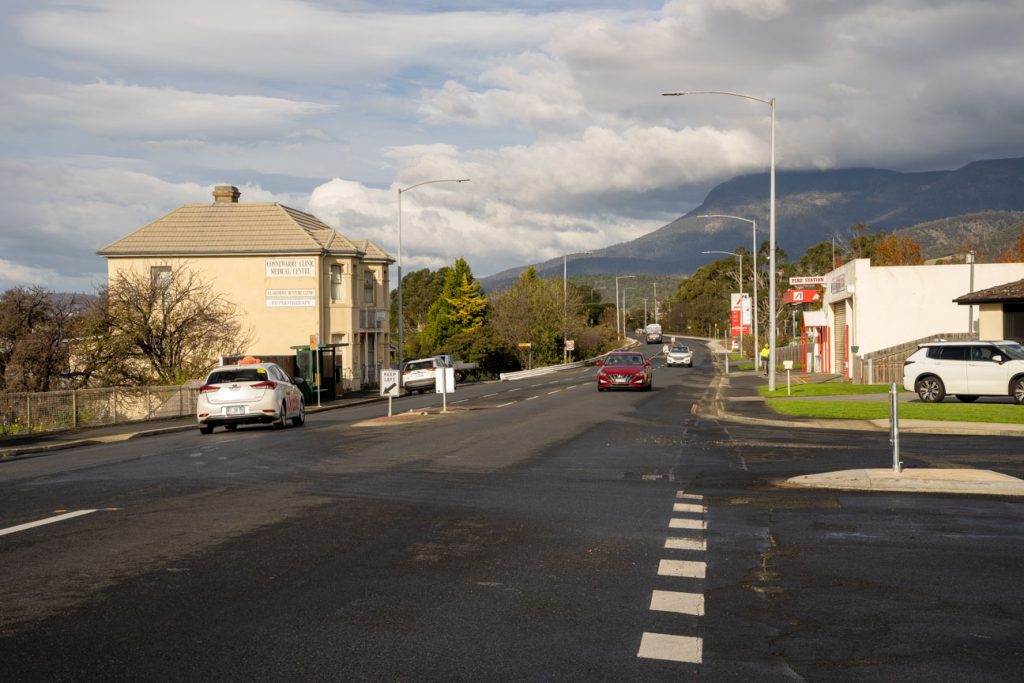
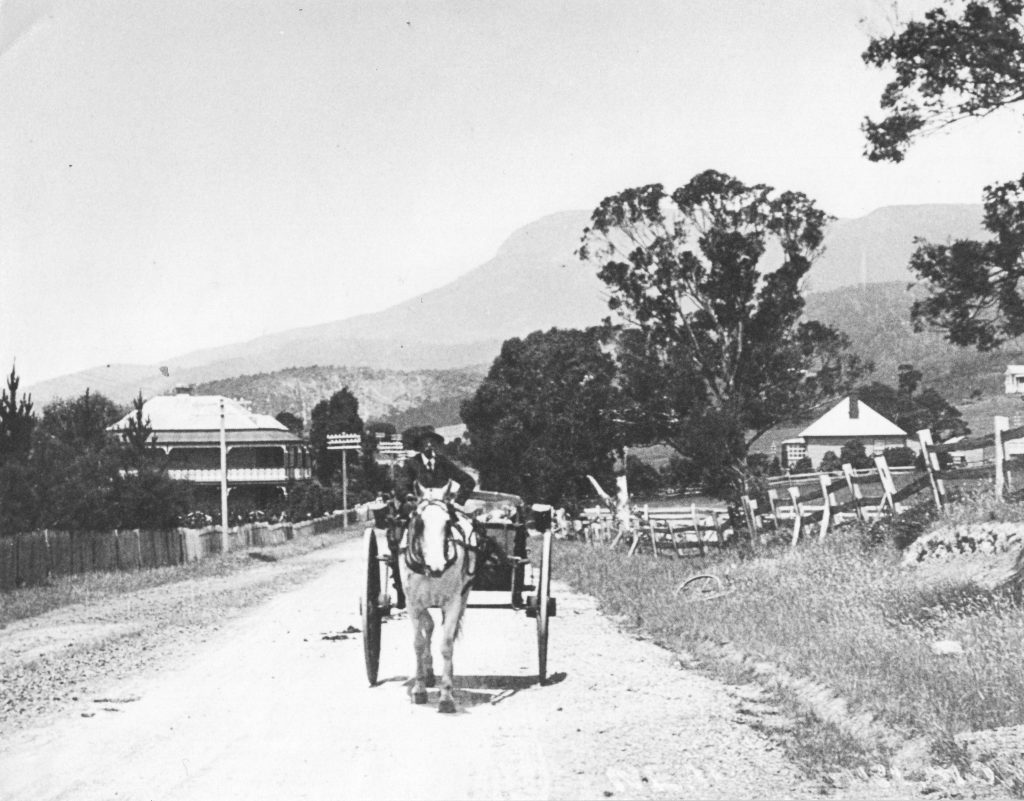
A horse and cart - Main Road, Berriedale

1912 view of a horse and cart on the Main Road at Berriedale with Kunanyi Mt Wellington in the background.
Looking south, ‘Connewarre’, formerly the ‘Traveller’s Rest Hotel’ (now 711 Main Rd), can be seen at left in the middle distance, as can the house at no. 710, at right.
It appears to have been built in 1861, when the original building dating from 1834 was also variously known as the ‘Fox Inn’ and ‘Happy Abodes’.
That served as a private home, coaching inn, and the Chigwell Academy (a private boarding school for 12 students); before it was destroyed by fire.

After
Before

1919

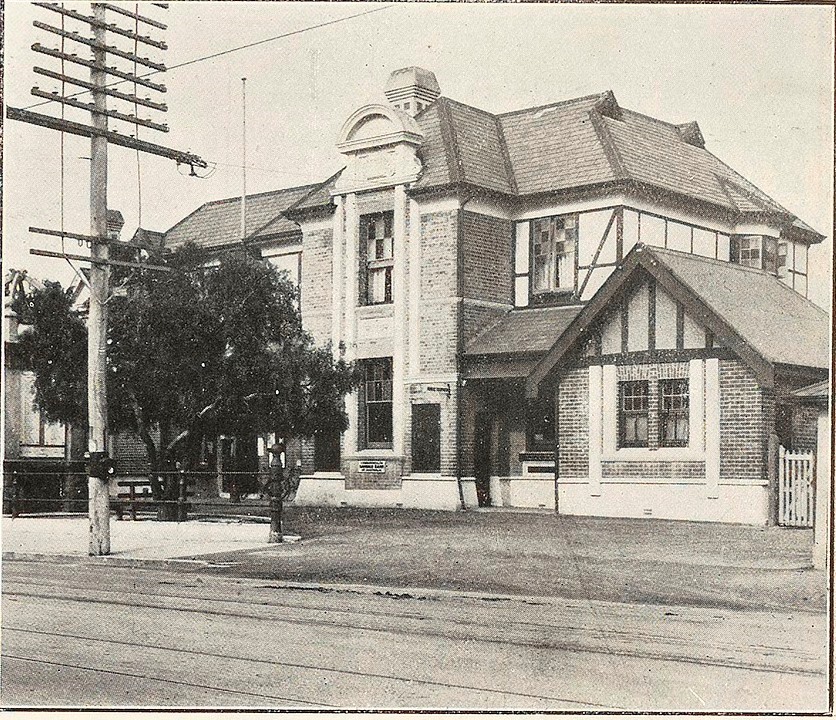
Lutana Workers Estate

The Lutana workers estate (also referred to as the Lutana Garden Village) was built by the Electrolytic Zinc Company to house employees.
Construction of the first houses began in 1919.
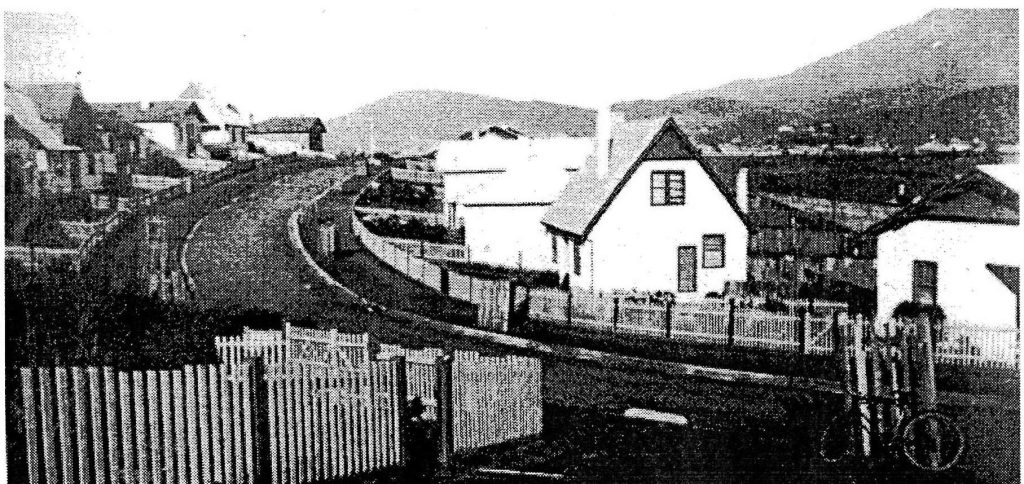
This photo from a 1923 magazine taken near the corner of Cook Street and Cox Avenue shows a selection of the distinctive Arts and Crafts style concrete stucco houses designed by architect, Walter Richmond Butler.
Note also the distinctive low timber picket fences.

After
Before

1925

Lutana Garden Village

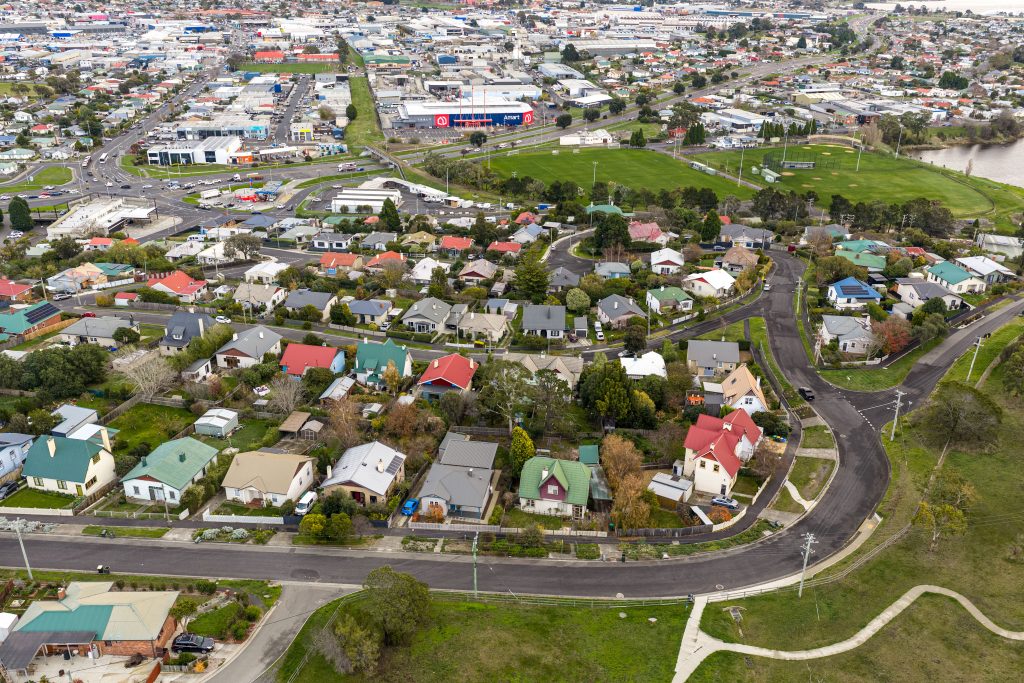
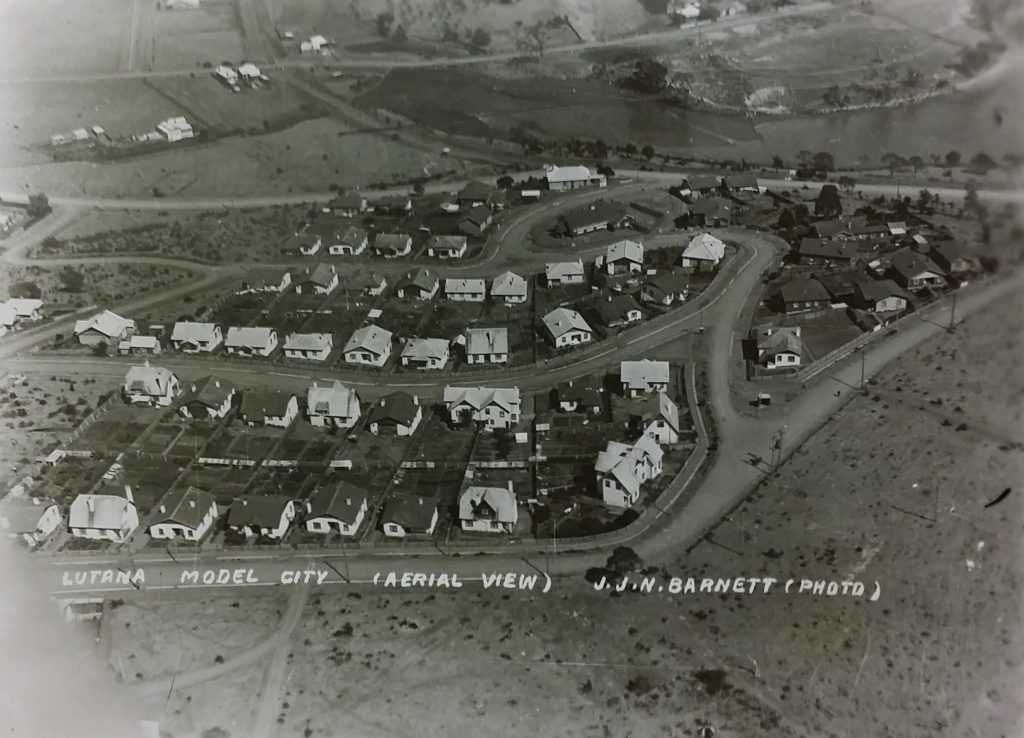
Mid-1920s oblique aerial view of the Electric Zinc Company’s Lutana workers estate.
Construction of the estate/village commenced in 1919 and resulted in construction of a combination of concrete stucco, brick, and weatherboard houses, a shop and hall/kindergarten.

After
Before

1934

The Pepper Tree

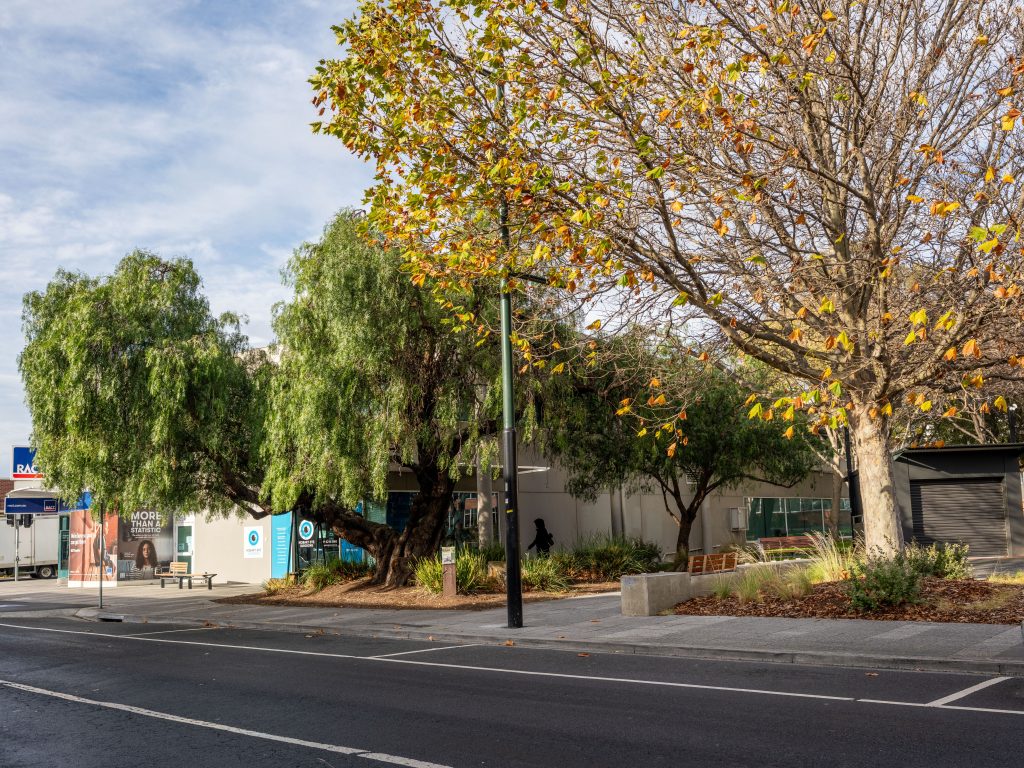
The existing Pepper Tree (Schinus molle var. areira) is the sole survivor of two such trees that are thought to have been planted in front of the original Council Chambers to commemorate local soldiers who fought in the Boer War (1899-1902).

After
Before

1940

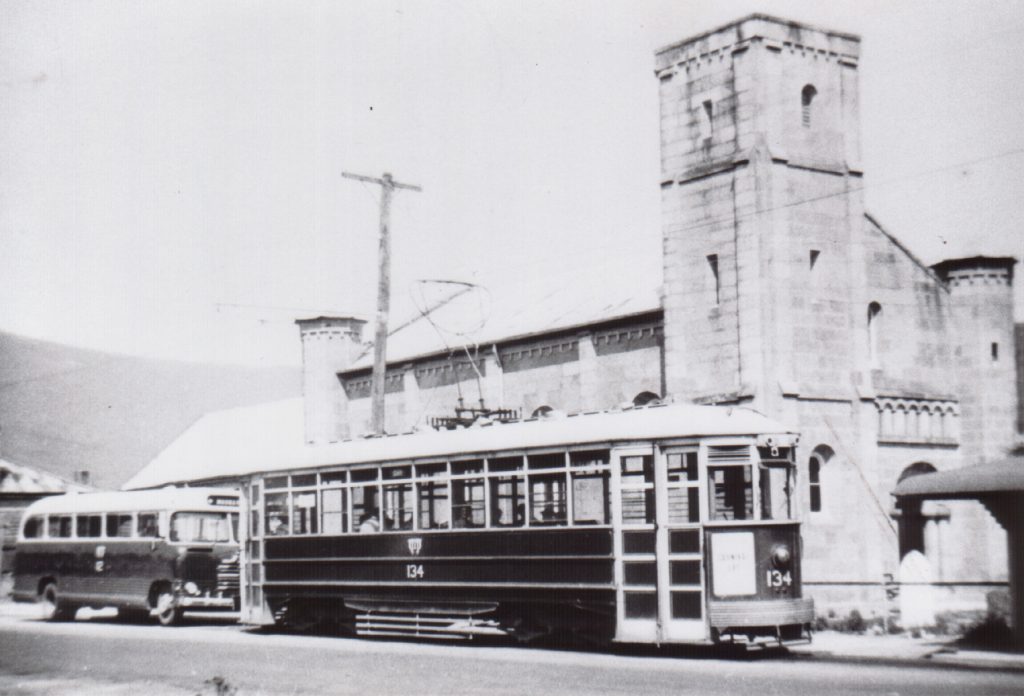
Two modes of Transport

An abundance of public transport. 1940s view of Tram No. 134 and bus in Tolosa Street with St Matthews Church behind.

After
Before

1960

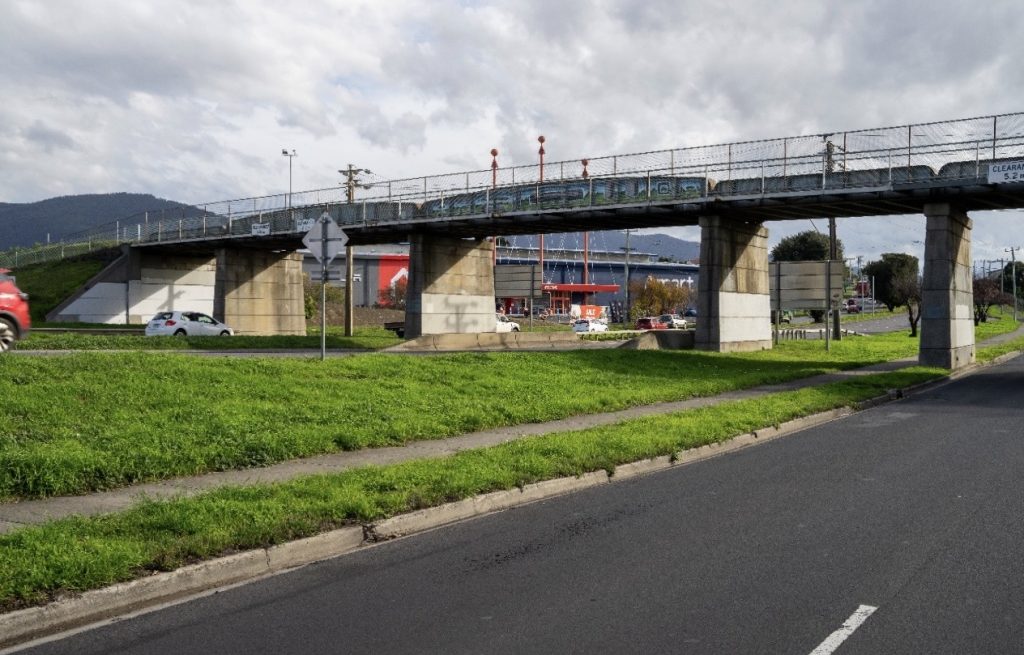
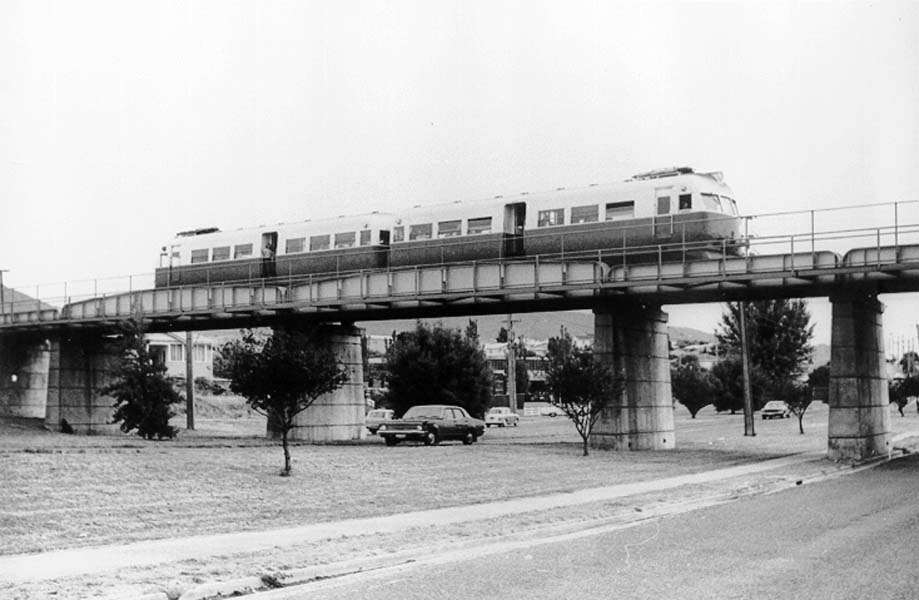
The Electrolytic Zinc Company

The Electrolytic Zinc Company provided a train to transport their workers to the zinc works from Moonah via Derwent Park and return.
The archival photograph is from the late 1960s and shows a rail motor crossing the 1919 steel girder bridge over the newly constructed Brooker Highway.

After
Before

1970

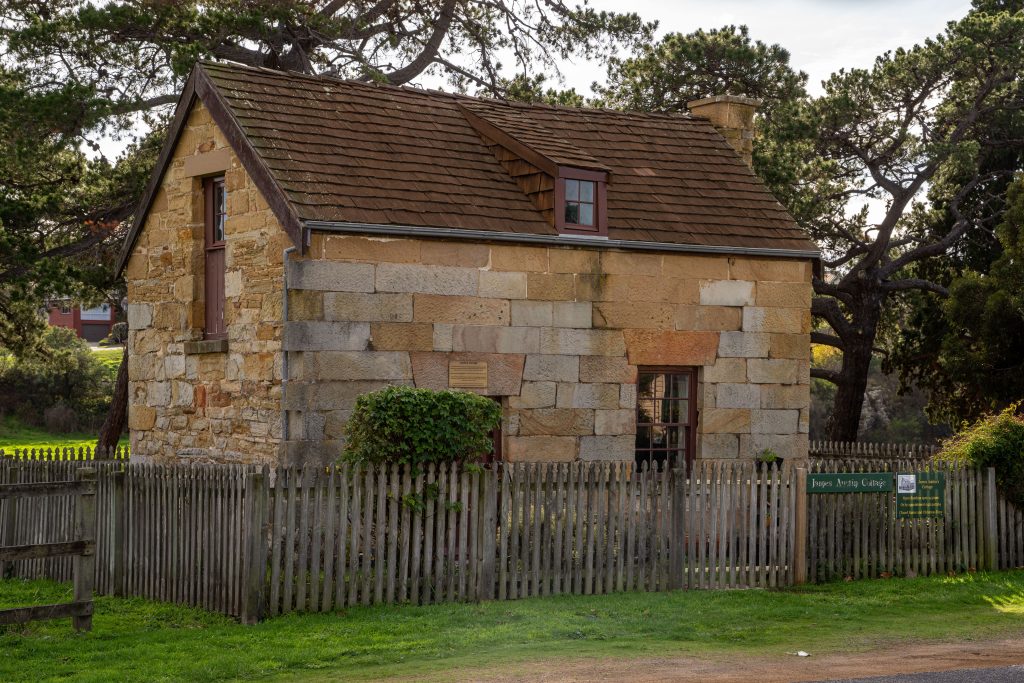
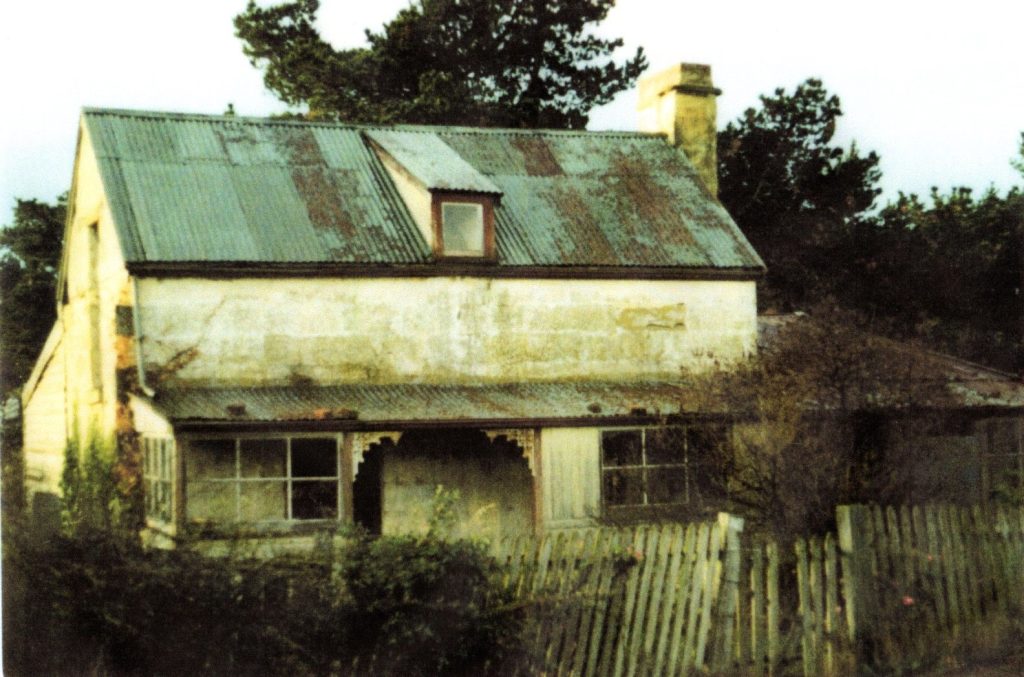
Austins Cottage

Austins Cottage when a residence in the 1970s.
One of Hobart’s earliest buildings, built in the first decades of the 19th century at the site of James Austin’s cross river ferry, the cottage was later occupied by purchased by Council in the 1980s and substantial work undertaken to remove the enclosed porch along with side and rear additions, reinstating timber shingles to the roof and revealing its Old Colonial Georgian form.

After
Before