
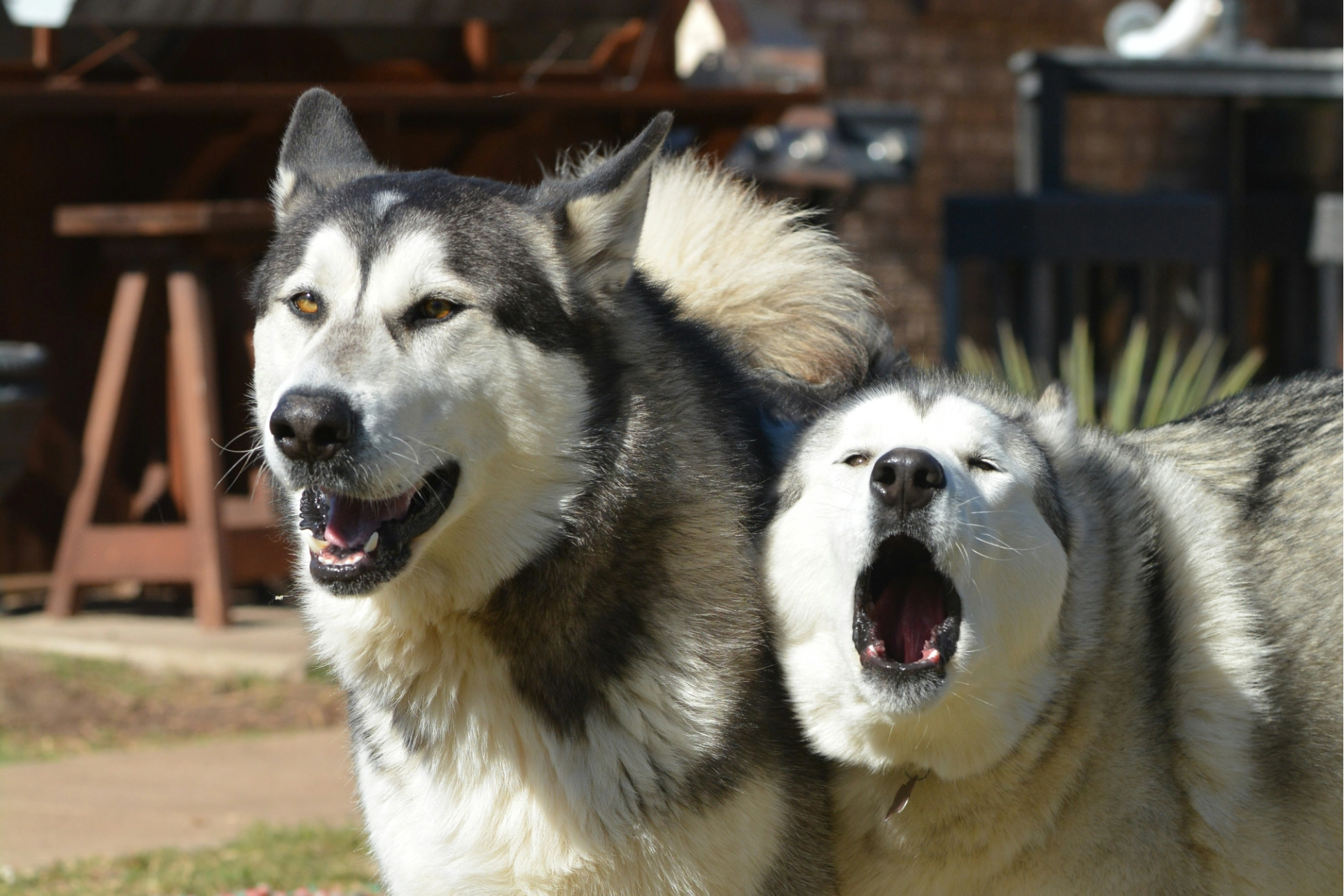
Dealing with a noisy dog in your neighbourhood?
Excessive barking isn’t just annoying — it’s often a sign the dog is unhappy.
Under Tasmania’s Dog Control Act 2000, a dog can be classified as a nuisance if its barking disrupts the peace or comfort of nearby residents. Owners of nuisance dogs can be fined.
A barking dog can disrupt neighbours and the community. Here is what to do if you are bothered by a noisy dog, or if your dog is barking.
If your dog is barking
If you have been notified that your dog is barking, here are some common reasons and solutions:
- Boredom — ensure your dog gets regular exercise and has toys to keep it occupied
- Anxiety — consider consulting a vet or animal behaviourist
- Loneliness — dogs are social animals; provide interaction and company
- Response to stimuli — reduce the triggers that cause barking (such as visual barriers at the fence line)
What should you do?
Step 1 — Talk to the owner.
They may simply not know their dog barks when they’re away. You can speak to them directly or use the council’s letter template if you’d prefer to put it in writing.
Step 2 — Make a general complaint.
If you’re uncomfortable approaching the owner, contact the council. We will assess the complaint and reach out to the owner on your behalf with advice on managing the barking. There’s no fee for this step.
Step 3 — Lodge a formal complaint.
If the problem continues, you can escalate to a formal complaint (a fee applies). You’ll need to fill out two forms — available from the council:
- Formal Complaint Form — your details, the dog’s address, and the nature of the complaint.
- Record of Occurrences Form — a log of dates, times, and likely causes of the barking over 14 days.
Submit both forms and pay the fee at the council’s Customer Service Centre. Animal Management Officers will then investigate and may take formal action against the owner if a noise nuisance is confirmed.
For more on why dogs bark and what owners can do, see the council’s Noisy Dog factsheet.
What happens next?
Council will investigate the complaint. We may speak to the dog’s owner and, if the problem continues, formal action may be taken under the Dog Control Act 2000.
Unsure what something on this page means? Check out Our Glossary.