
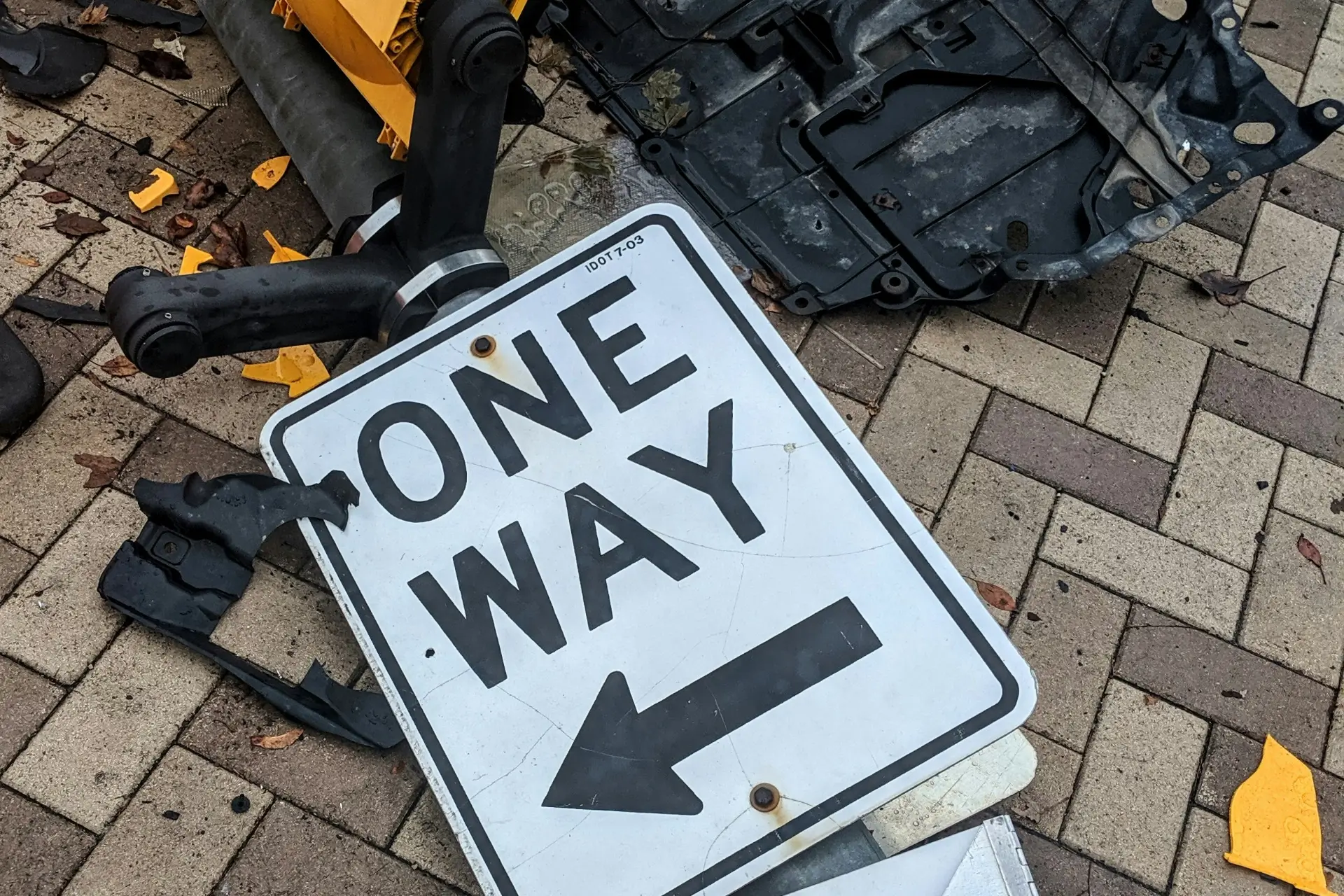
If you want to report a issue, we need as much detail as possible about the problem.
Also try to provide its location such as the road name, or the house number of the property it is near.
When you report a problem
One of the following will happen:
- The work will be completed as soon as practical.
- The situation will be monitored with the work potentially completed at a later date
- The problem is assessed as not meeting the intervention levels, under our service levels (PDF) and no work will be done, but effort will be made to contact you to let you know.
- The asset is not ours and so the work is not completed, but effort will be made to contact you to let you know.
To report an issue, send us an email by filling out the form below, or call us on (03) 6216 6800.
Things to know:
Glenorchy City Council investigates reports of smoke, noise and odour issues that may affect the health, wellbeing and amenity of residents and businesses within the municipality.
Issues such as excessive smoke, unreasonable noise or offensive odours can impact neighbouring properties and may breach environmental health, local government or nuisance regulations.
Council’s Environmental Health and Compliance teams assess complaints and work with residents, property owners and businesses to resolve issues where possible.
Council may investigate complaints relating to:
- wood heater smoke
- backyard burning or illegal burning-off
- smoke from commercial or industrial premises
- excessive residential or commercial noise
- loud music or amplified sound
- construction or machinery noise
- animal noise
- offensive or persistent odours
- dust, fumes or airborne pollutants affecting neighbouring properties.
Some matters may also involve other authorities depending on the source and severity of the issue.
Before you report
In some situations, a respectful conversation with the person responsible may help resolve the matter quickly and informally, particularly where they may not be aware the issue is affecting neighbours.
Before lodging a complaint, consider:
- whether the issue is ongoing or a one-off event
- whether the activity occurs regularly or only occasionally
- whether you have recorded the dates and times the issue occurs
- whether the issue is occurring at unreasonable hours or creating a significant impact.
Providing accurate and detailed information helps Council assess the matter more effectively.
What information to include
When making a report, please provide as much information as possible, including:
- your name and contact details
- the address or location where the issue is occurring
- a description of the issue
- what you can see, hear or smell
- the dates and times the issue occurs
- how frequently the issue happens
- how the issue is affecting you or your property
- any supporting photographs, recordings or notes if available.
Detailed information assists Council officers in assessing and investigating the complaint.
What happens next?
Once a complaint is received, Council will assess the information provided and determine the appropriate response.
This may include:
- contacting you for further details
- conducting site inspections
- monitoring the issue over time
- speaking with the property owner, occupier or business involved
- referring the matter to another authority where appropriate
- taking compliance or enforcement action if required.
Council aims to investigate non-urgent complaints within approximately five business days, although response times may vary depending on the nature and complexity of the matter.
Urgent matters that present an immediate risk to health or safety may be prioritised.
Privacy and confidentiality
Council treats complaints confidentially where possible and handles personal information in accordance with privacy obligations.
While Council may confirm that a matter has been investigated or actioned, we are generally unable to provide detailed information about:
- another person’s circumstances
- enforcement actions taken
- investigation findings involving third parties.
Emergency situations
If the issue involves an immediate threat to life, property or public safety, contact emergency services on Triple Zero (000).
Examples may include:
- serious public safety risks.
- large uncontrolled fires
- dangerous chemical releases
- immediate health hazards
Further information
Phone: 03 6216 6800
Email: gccmail@gcc.tas.gov.au
Unsure what something on this page means? Check out Our Glossary.