
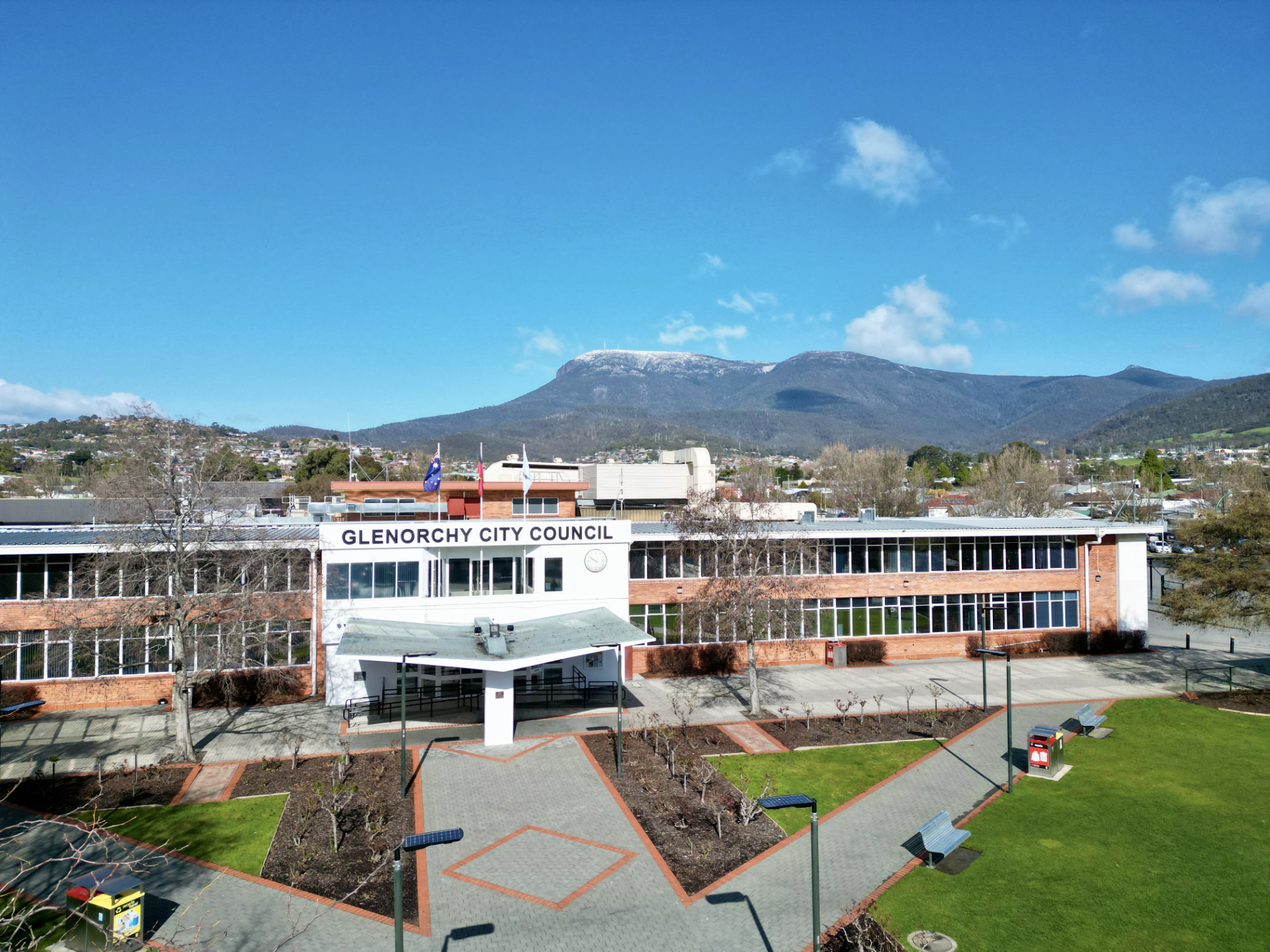
Council is another name for local government — one of three spheres of government in Australia, alongside federal and state or territory government.
Tasmania has 29 councils, each responsible for making decisions that affect everyday life in their local area.
What does Council do?
Councils deliver a wide range of services to their communities, including roads and street lighting, rubbish collection, stormwater drainage, parking and planning, public health inspections, parks and sporting facilities, swimming pools, community halls, childcare, youth and senior services, arts facilities, events and economic development.
To deliver these services, Tasmanian councils collectively employ over 3,771 people with skills ranging from administration and accounting to traffic engineering, horticulture and social work. Services are funded through property rates, fees and government grants.
What is the legal role of Council?
Under the Local Government Act 1993, councils are required to provide for the health, safety and welfare of the community, represent community interests, and maintain peace, order and good government in the municipal area.
Each council must produce a ten-year strategic plan, an annual plan, and an annual report.
The day-to-day running of Council is the responsibility of the Chief Executive Officer or General Manager, with decisions made collectively by elected members rather than by individuals.
For more information about what Tasmanian councils do, visit Better Councils, Better Communities.
Unsure what something on this page means? Check out Our Glossary.