
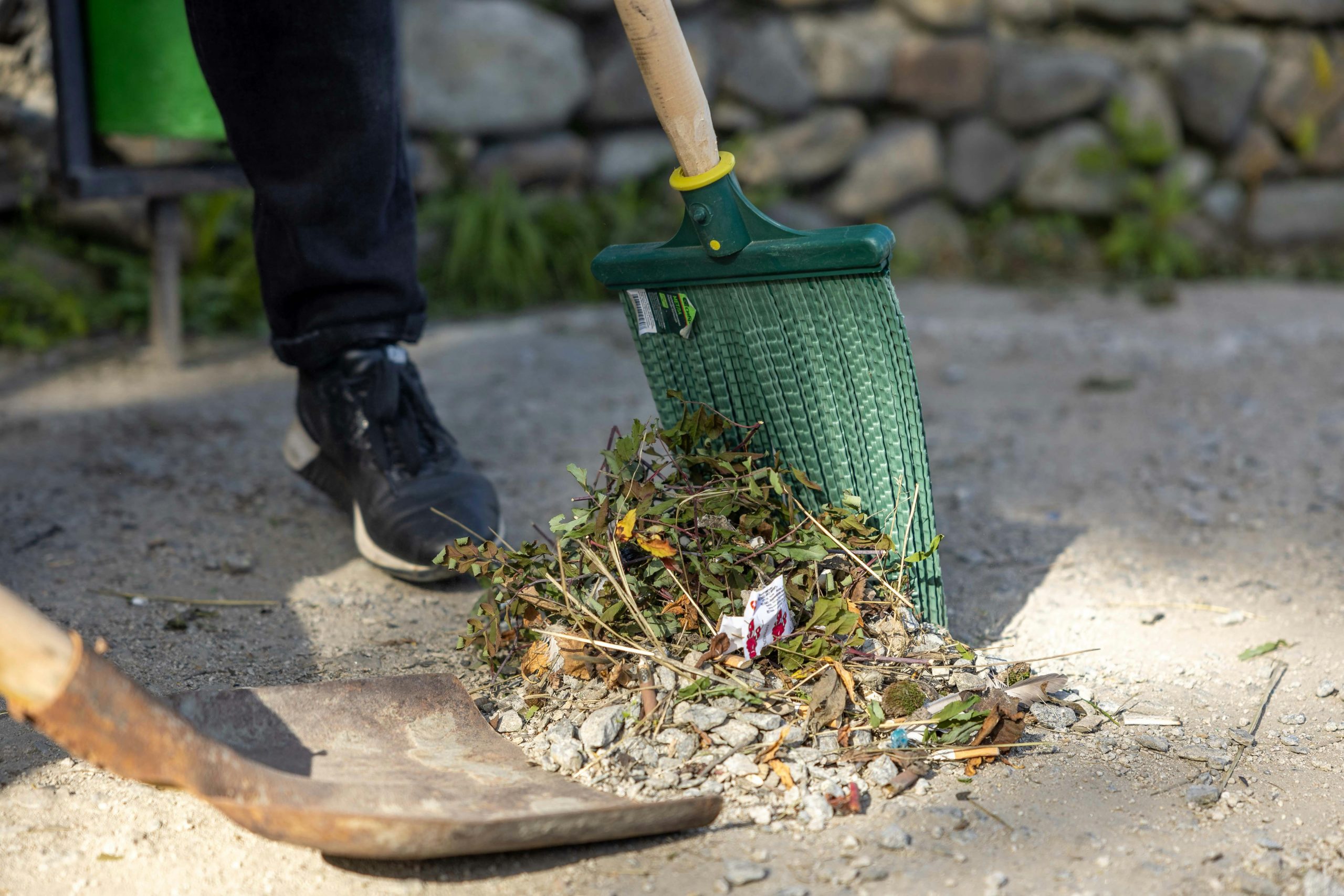
Glenorchy City Council is working to reduce the amount of waste our community sends to landfill.
Glenorchy City Council is committed to reducing the amount of waste sent to landfill and supporting more sustainable waste and resource recovery practices across the municipality.
Council delivers and supports a range of waste reduction initiatives designed to encourage recycling, composting, reuse and responsible consumption within the community.
Reducing waste is an important part of protecting the environment, reducing greenhouse gas emissions and supporting a more sustainable future for Glenorchy.
Why reduce waste?
Every year, large amounts of potentially reusable or recyclable material are disposed of in landfill.
Reducing waste helps:
- Extend the life of landfill facilities
- Reduce greenhouse gas emissions from decomposing waste
- Conserve natural resources
- Reduce pollution and environmental impacts
- Lower waste management and disposal costs
- Support recycling and resource recovery industries
Landfill space is limited, and disposing of waste is becoming increasingly expensive due to transport, processing and environmental management costs.
Waste reduction and resource recovery are important components of a sustainable and circular economy.
What Council is doing
Council supports a range of programs and services aimed at reducing landfill waste and improving resource recovery outcomes.
FOGO collection
Council’s FOGO (Food Organics and Garden Organics) service helps divert food scraps and garden waste away from landfill.
Organic waste collected through the FOGO program is processed into compost and reused in agriculture, landscaping and land rehabilitation.
The FOGO service helps:
- Reduce methane emissions from landfill
- Recover valuable organic material
- Improve household waste diversion rates
- Reduce the amount of general waste generated
Residents are encouraged to use their FOGO bins correctly to maximise environmental benefits.
Recycling education
Council provides recycling education programs and resources to help residents better understand:
- What can and cannot be recycled
- How to correctly sort waste
- Ways to reduce contamination in recycling bins
- The importance of resource recovery and reuse
Education initiatives may include:
- School education programs
- Community workshops
- Recycling guides and fact sheets
- Social media and awareness campaigns
- Public event information stalls
Improving community understanding of recycling helps increase recovery rates and reduce waste sent to landfill.
Community composting
Council supports community composting initiatives and encourages residents to compost organic waste at home where possible.
Community composting projects may include:
- Shared composting systems
- Community gardens
- Educational workshops and demonstrations
- Composting awareness programs
Composting food and garden waste reduces the amount of organic material entering landfill and produces nutrient-rich compost for gardens and landscaping.
Glenorchy’s Waste Strategy
Council’s Waste Strategy provides a long-term framework for sustainable waste management across the municipality.
The strategy focuses on:
- Reducing landfill waste
- Improving recycling and recovery rates
- Supporting circular economy principles
- Increasing community awareness and participation
- Planning for future waste and resource recovery needs
The strategy aligns with broader state and national waste reduction goals and sustainability priorities.
What you can do
Everyone in the community can play a role in reducing waste and supporting more sustainable practices.
Reduce waste at the source
One of the most effective ways to reduce waste is to avoid creating it in the first place.
Residents can help by:
- Buying only what is needed
- Choosing products with less packaging
- Avoiding single-use items where possible
- Purchasing reusable alternatives
Compost at home
Home composting is a simple way to reduce food and garden waste.
Suitable materials for composting include:
- Fruit and vegetable scraps
- Coffee grounds and tea leaves
- Grass clippings and leaves
- Small garden prunings
Home composting helps reduce landfill waste and creates useful compost for gardens.
Donate unwanted goods
Items that are no longer needed may still be useful to others.
Residents are encouraged to donate reusable items to:
- Charity and op shops
- Community groups
- Reuse centres
- Online community exchange groups
- Freecycle and similar reuse networks
Reusing goods helps reduce waste and supports the local community.
Repair rather than replace
Repairing household items instead of discarding them can:
- Reduce waste generation
- Save money
- Extend product life
- Reduce demand for new resources and manufacturing
Where practical, residents are encouraged to repair clothing, furniture, electronics and appliances before replacing them.
Buy second-hand
Purchasing second-hand items helps reduce waste and supports reuse.
Second-hand shopping may include:
- Furniture and household goods
- Clothing and accessories
- Building materials
- Books and electronics
Choosing pre-owned items can reduce environmental impacts and support a circular economy.
Waste education programs
Council offers waste education programs for schools, community groups and organisations to help build awareness about sustainable waste practices.
Programs may include:
- Recycling and composting workshops
- School presentations and activities
- Community sustainability events
- Educational resources and information sessions
These initiatives help support long-term behaviour change and improved waste outcomes across the municipality.
Programs
Council also participates in a number of national waste reduction initiatives each year, examples include:
Clean Up Australia Day
We hold an annual Clean Up Australia Day staff event.
We also support local clean up groups who register by providing free disposal at the Jackson Street Waste Management Centre.
Keep Australia Beautiful network
The Keep Australia Beautiful network (KAB) is a national organisation that is recognised as Australia’s litter prevention thought and practice leader, working for a litter free and sustainable Australia.
We participate in the KAB awards program and were the winners of the Sustainable Cities Tasmania Award for 2015, 2016 and 2018.
Keep Australia Beautiful network
We participate in many annual Waste events to bring further awareness of the importance of managing our waste in Glenorchy. Below are a few examples of local and national campaigns that we seek to promote and support
- National Recycling Week
- Asbestos Awareness Month
- Garage Sale Trail
Keep an eye on our Facebook and events page for activities and ways to get involved.
Unsure what something on this page means? Check out Our Glossary.