
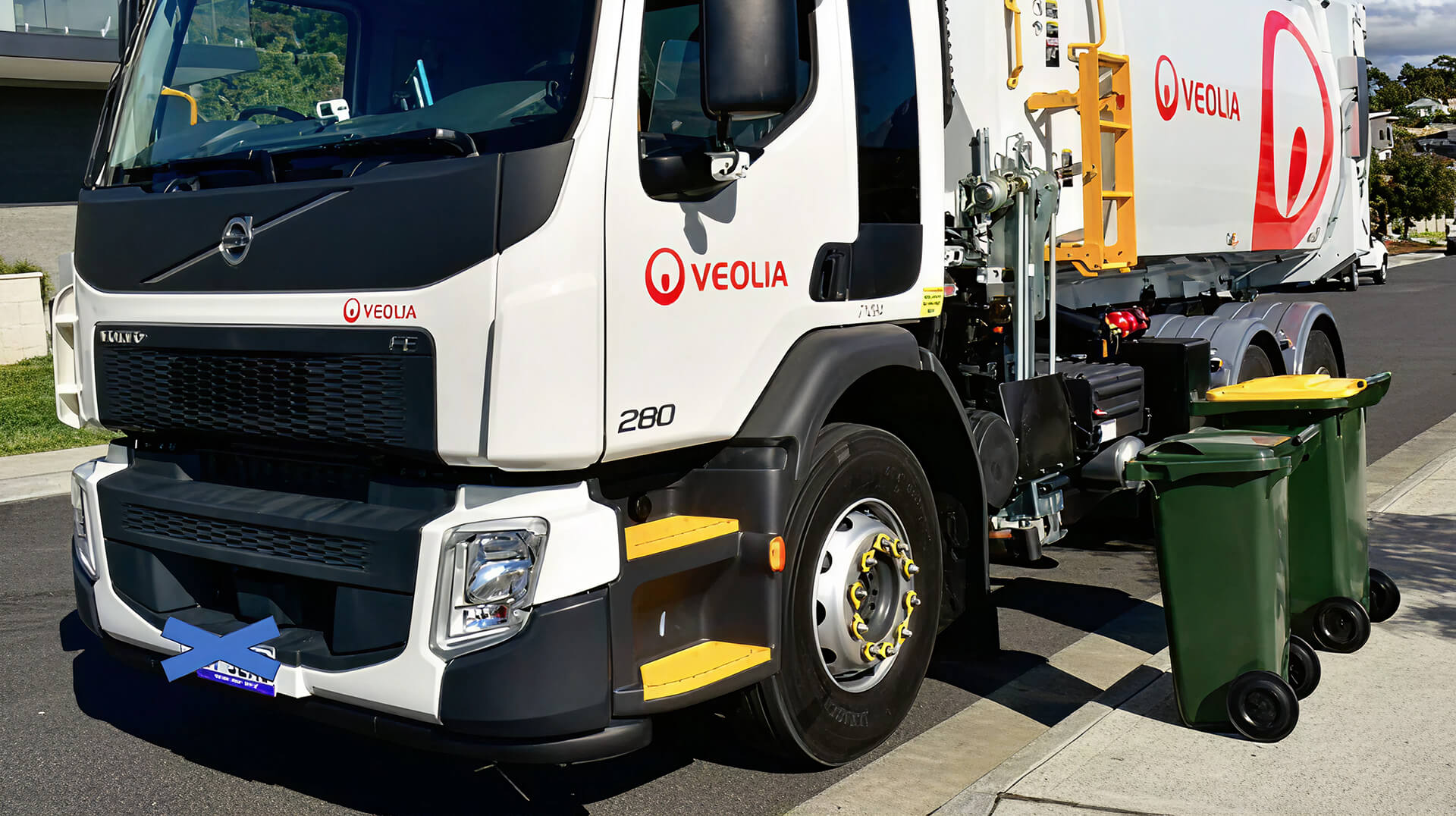
Your general waste bin is collected fortnightly.
Here is how the service works.
Glenorchy City Council provides a fortnightly kerbside general waste collection service for residential properties across the municipality.
Bins are collected fortnightly. Find your collection day using tool below by typing your unit and/or street number in first followed by your street name.
The general waste service is intended for household rubbish that cannot be recycled, composted or disposed of through other waste recovery programs.
Using the correct bin for each type of waste helps reduce landfill, improve recycling outcomes and support Council’s broader waste management and sustainability goals.
Your bin
Standard residential general waste bins:
- Have a dark green lid
- Hold 140 litres
- Are collected fortnightly
Households that regularly generate more waste may be eligible to apply for a larger 240-litre general waste bin for an additional annual charge.
Additional waste services may also be available for approved circumstances, including larger households or properties with specific waste management needs.
All of Council’s forms are available in the Documents and Publications Library.
Collection day
General waste bins are collected fortnightly as part of Council’s kerbside waste collection service.
Residents can find their scheduled collection day using the Waste Collection Search tool available above.
To ensure your bin is collected:
- Put your bin out the night before or before 6:00 am on collection day
- Place the bin at the kerb or designated collection point
- Leave at least 1 metre clearance from other bins, vehicles and obstacles
- Position the wheels facing away from the road where possible
- Ensure the lid is fully closed
- Do not overfill or overload the bin – the maximum weight is 70 kg.
- Remove bins from the kerb after collection within 48 hours
Bins that are inaccessible, excessively heavy or overfilled may not be collected.
Landlords and rental properties
Property owners and landlords are responsible for ensuring appropriate waste and recycling services are available for their rental properties.
This includes:
- Ensuring bins are present at the property
- Arranging waste services for newly constructed or newly tenanted properties
- Replacing missing or damaged bins where required
- Providing tenants with access to appropriate waste disposal services
If you are establishing a new rental property or require changes to existing services, contact Council to discuss available options.
Multi-unit developments
Waste services for apartment buildings, units and townhouse developments are managed differently to standard residential properties.
If you live in a flat, multi-occupancy property or unit development, you may have Shared Bins collected weekly. They are generally 240L bins, the Waste bins will have red lids.
Multi-unit developments must comply with Council’s Waste Services Standards for Multiple Dwelling Units, which help ensure:
- Adequate bin storage space
- Safe and accessible collection arrangements
- Sufficient waste and recycling capacity
- Appropriate vehicle access for collection trucks
- Minimised impacts on neighbouring properties and public areas
Waste management requirements may form part of the development approval process for new residential developments.
Council may require:
- Waste management plans
- Shared bin arrangements
- Dedicated collection areas
- Private collection services in some circumstances
Developers, strata managers and property owners are encouraged to contact Council early in the planning process to discuss waste servicing requirements.
Additional waste services may be subject to:
- Annual fees and charges
- Bin availability
- Property access limitations
- Occupational health and safety requirements
- Collection vehicle access constraints
Council and its waste contractor may inspect properties or collection arrangements where required to determine suitable service levels.
What goes in your rubbish bin
he general waste bin is for everyday household rubbish that cannot be recycled or composted through Council’s kerbside services.
Examples of acceptable items include:
- Non-recyclable packaging
- Nappies and hygiene products
- Broken household items
- Polystyrene foam
Sharp or broken items such as glass should be wrapped securely before disposal to help protect collection workers.
What does NOT go in the bin
Items that can be recycled, composted or require specialised disposal should not be placed in the general waste bin.
Do not place the following items in your general waste bin:
- Recyclable containers and packaging
- Paper and cardboard suitable for recycling
- Food and garden organics suitable for the FOGO bin
- Batteries and electronic waste
- Paint, chemicals and hazardous materials
- Gas bottles or pressurised containers
- Hot ashes or flammable materials
- Large household items or construction waste
- Medical waste (sharps)
Incorrect disposal of hazardous materials can create fire, environmental and safety risks.
Hazardous waste, batteries and certain other materials should be taken to the Jackson Street Landfill and Recycling Centre or another approved disposal facility.
Why reducing general waste matters
General waste placed in landfill has environmental and financial impacts.
Reducing household rubbish helps:
- Extend the life of landfill facilities
- Reduce greenhouse gas emissions
- Improve recycling and composting outcomes
- Lower waste processing costs
- Recover valuable materials and resources
Residents are encouraged to use recycling and FOGO services wherever possible to minimise landfill waste.
Tips for managing household waste
To get the most from your waste service:
- Separate recycling and FOGO materials correctly
- Flatten cardboard boxes before recycling
- Use compostable liners for food waste where appropriate
- Use compostable liners / newspaper / paper towel for food waste where appropriate
- Keep bin lids closed to prevent litter and pests
- Avoid placing liquids in bins
- Freeze odorous food scraps until collection day if needed
Correct waste sorting helps improve the efficiency of Council’s waste and recycling services.
More services
Residents who require additional waste capacity or more frequent collection services may be able to access:
- Larger general waste bins
- Weekly collection services
- Other approved waste service arrangements
Additional fees and conditions may apply.
Contact
For information about general waste collection, missed services, bin upgrades or additional waste services, contact Council’s Customer Service Team
Phone: (03) 6216 6800
Email: gccmail@gcc.tas.gov.au
Unsure what something on this page means? Check out Our Glossary.